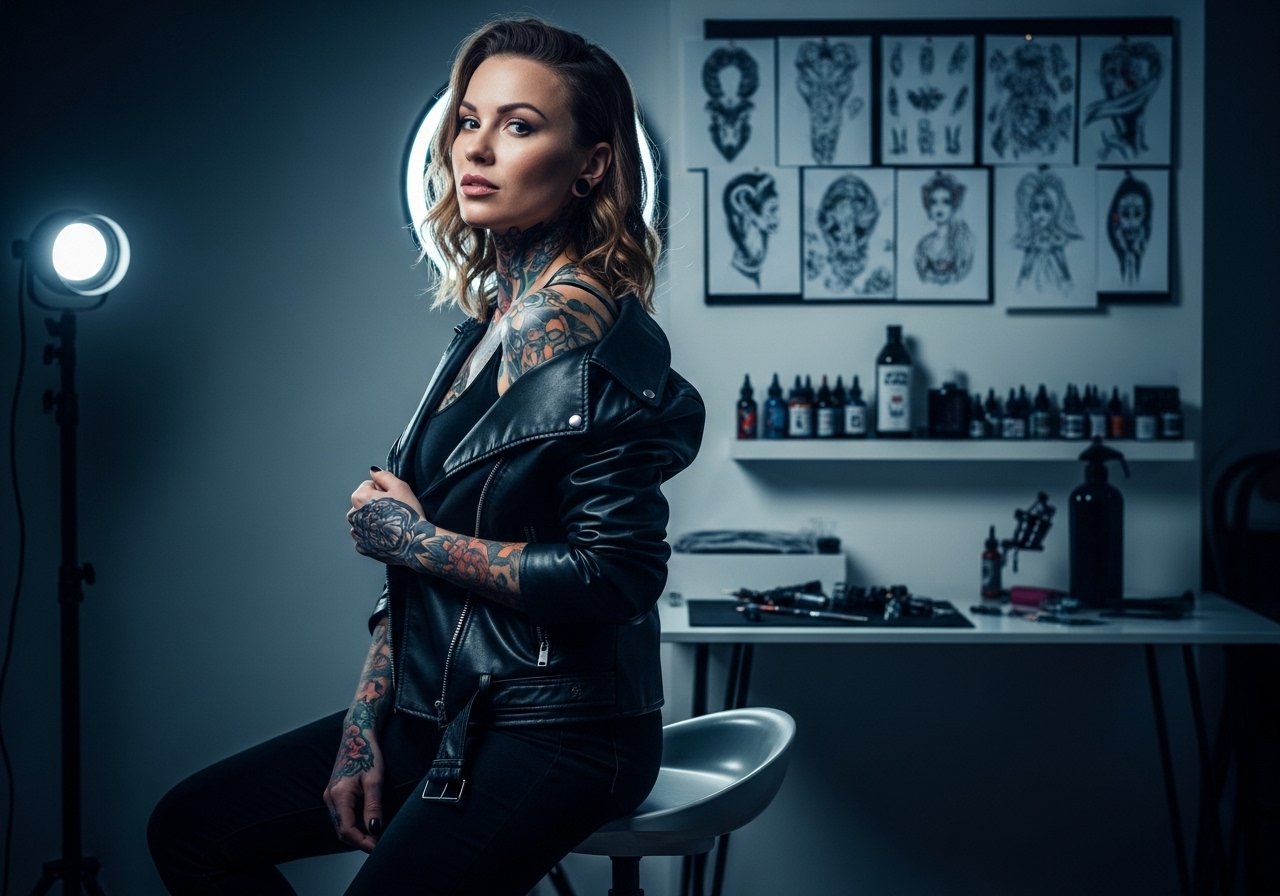
Fine line tiger tattoos are everywhere on saved boards right now, but trends do not always match how tattoos actually age. Small, delicate tigers read crisp for a year and then soften if placement or spacing was off. Expect some choices to demand touch-ups, honest aftercare, and careful placement decisions. Below are modern tiger design directions that balance detail, longevity, and how you’ll want to style them afterward.
1. Fine Line Mini Tiger on Inner Forearm
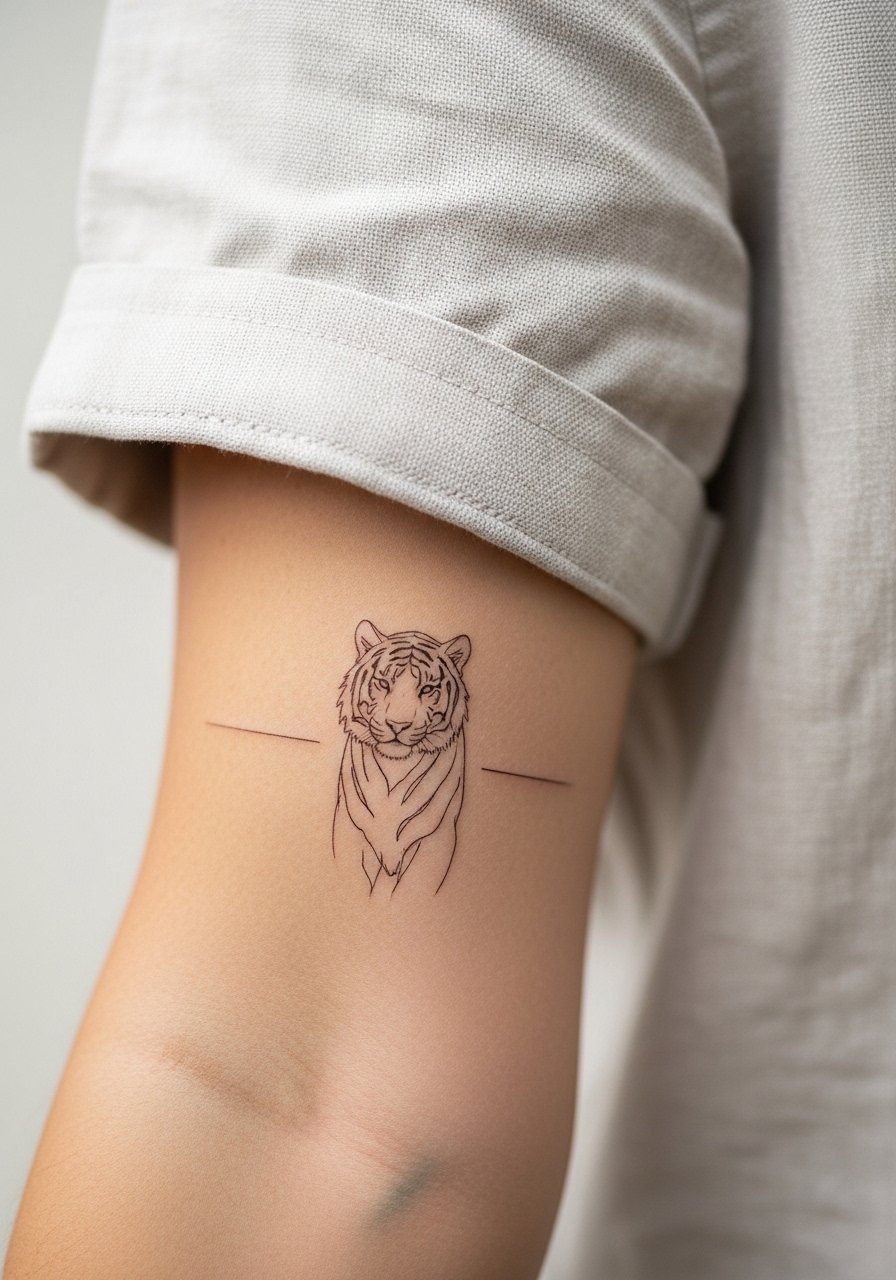
I recommend this if you want a discreet tiger that still reads as an animal mark rather than a portrait. Fair warning, the inner forearm sees sunlight and light friction, so ask your artist for slightly heavier linework than a micro tattoo, and plan a touch-up around year two. A common mistake is asking for ultra-thin lines because they looked delicate on-screen. In practice that choice can blur into a gray wash. For the session wear a loose button-down shirt so the artist can roll the sleeve up without stretching the skin.
2. Micro-Realism Tiger Head on the Upper Arm
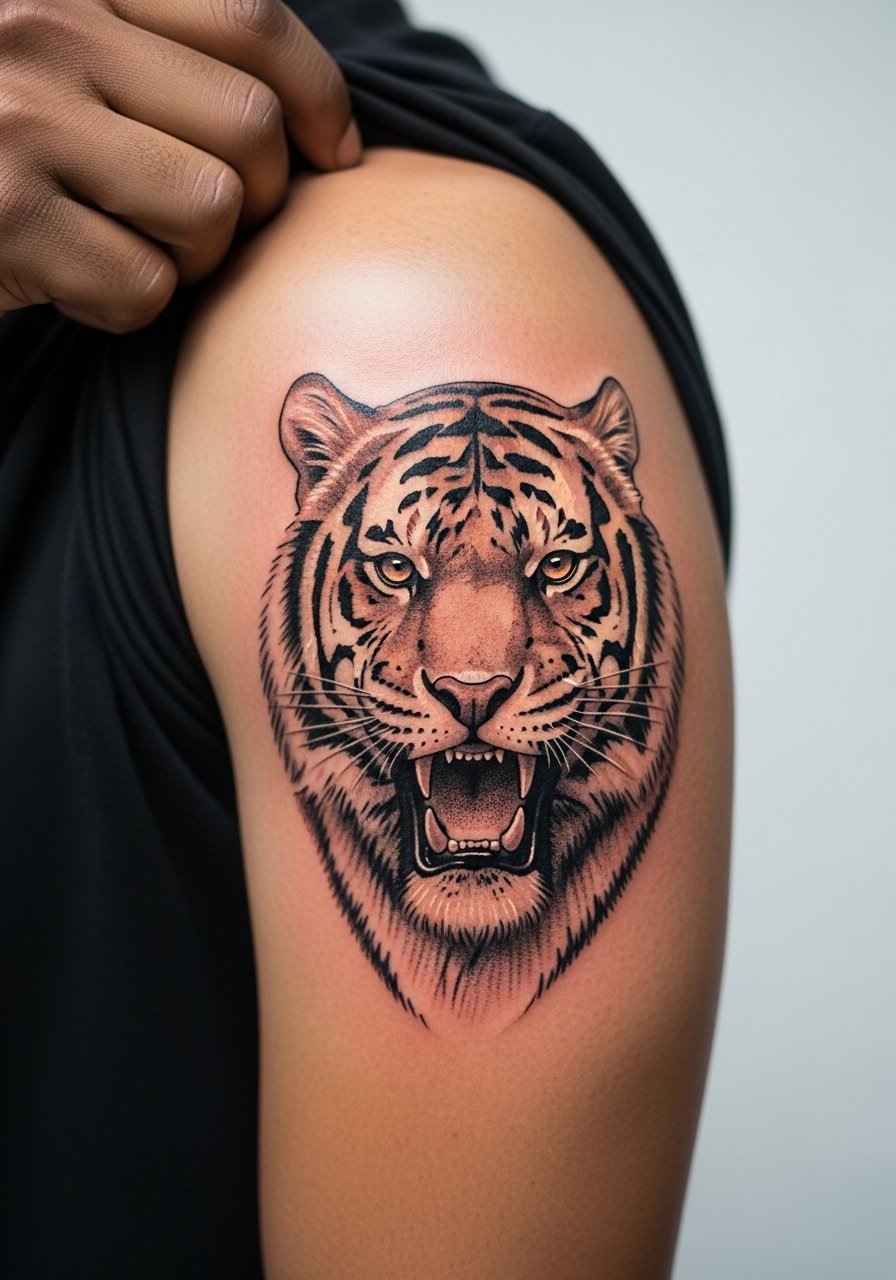
If you want lifelike texture and fur detail, micro-realism does it without the scale of a full portrait. Expect a longer session and a lot of tiny needle passes that can feel like a steady vibration more than sharp stabs. During consultation, bring close-up photos that show fur direction and the exact eye expression you want. Artists sometimes go too dense with shading, which ages into muddiness. Ask for strategic contrast and stipple shading to preserve depth. Touch-ups at year three are common for high-detail faces because the tiny dots can soften.
3. Neo-Traditional Tiger Shoulder with Floral Frame
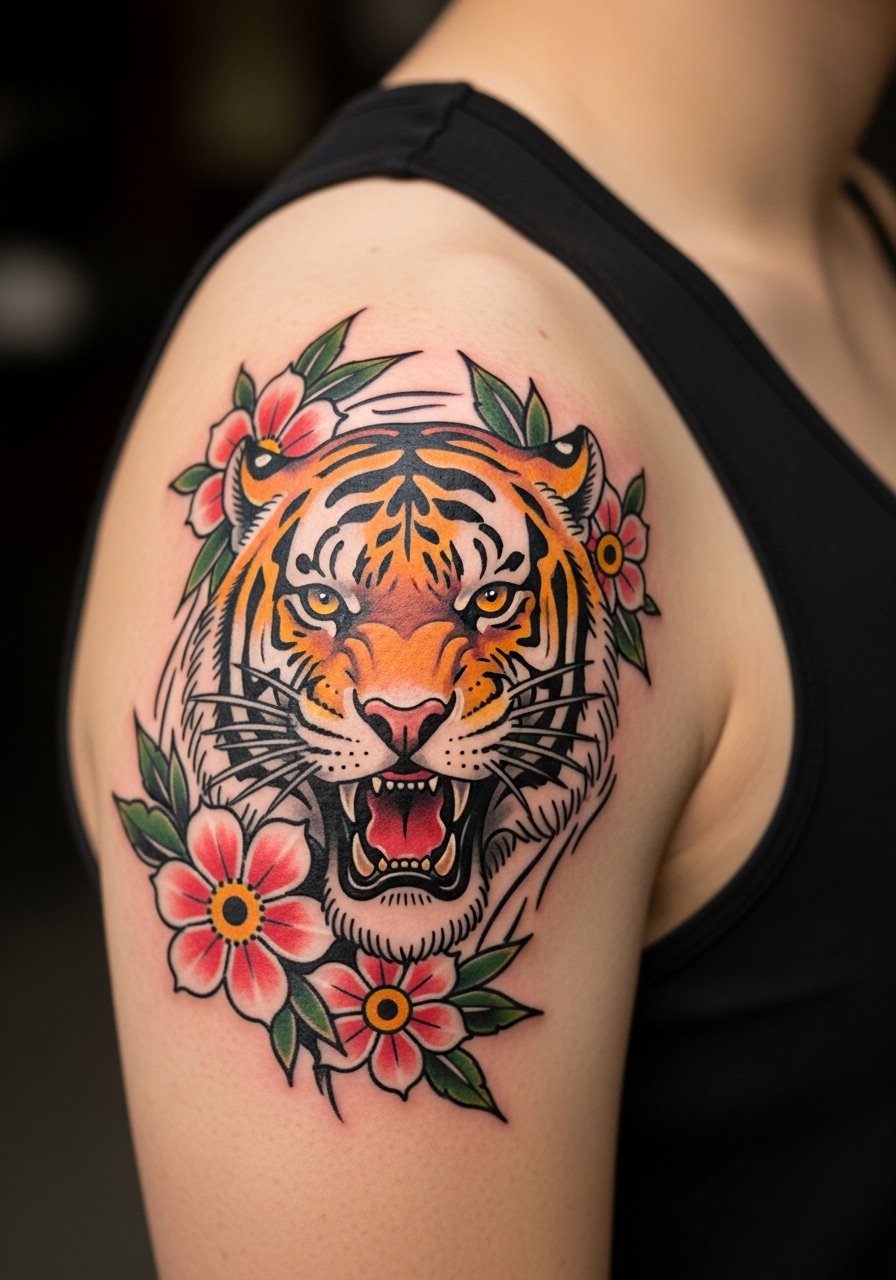
Neo-traditional lets a tiger retain bold linework while introducing color and floral shapes that age predictably. The shoulder gives room for saturation and looks great under summer tanks. During the consult, specify color saturation and ask for slightly larger petals around the tiger to prevent the floral detail from merging in five years. Pain is manageable on the shoulder, though near the bone the artist will work slower. For showing it off, pair the piece with a racerback tank top that keeps attention on the motif without hiding it.
4. Geometric Tiger Half-Forearm with Negative Space
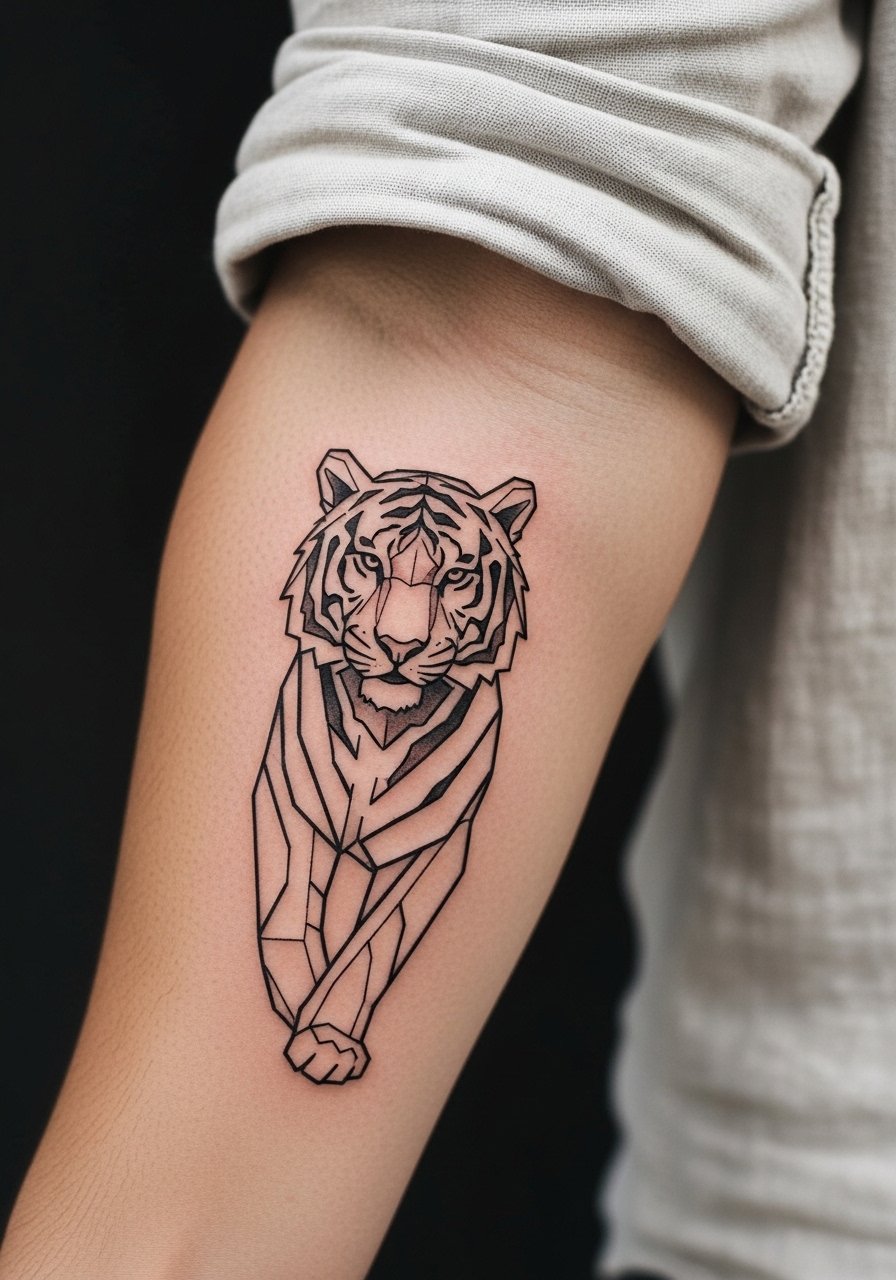
This design uses geometry to abstract a tiger while keeping strong linework that survives aging better than dense micro shading. The mistake is packing too many tiny triangles into a small area. Ask your artist for breathing room between shapes and for slightly heavier key outlines to prevent early merging. The session feels methodical since every shape needs exact placement. For casual wear, rolled sleeves or a short-sleeve linen button-down frames the piece without overshadowing the negative space.
5. Watercolor Ribcage Tiger with Brush Strokes
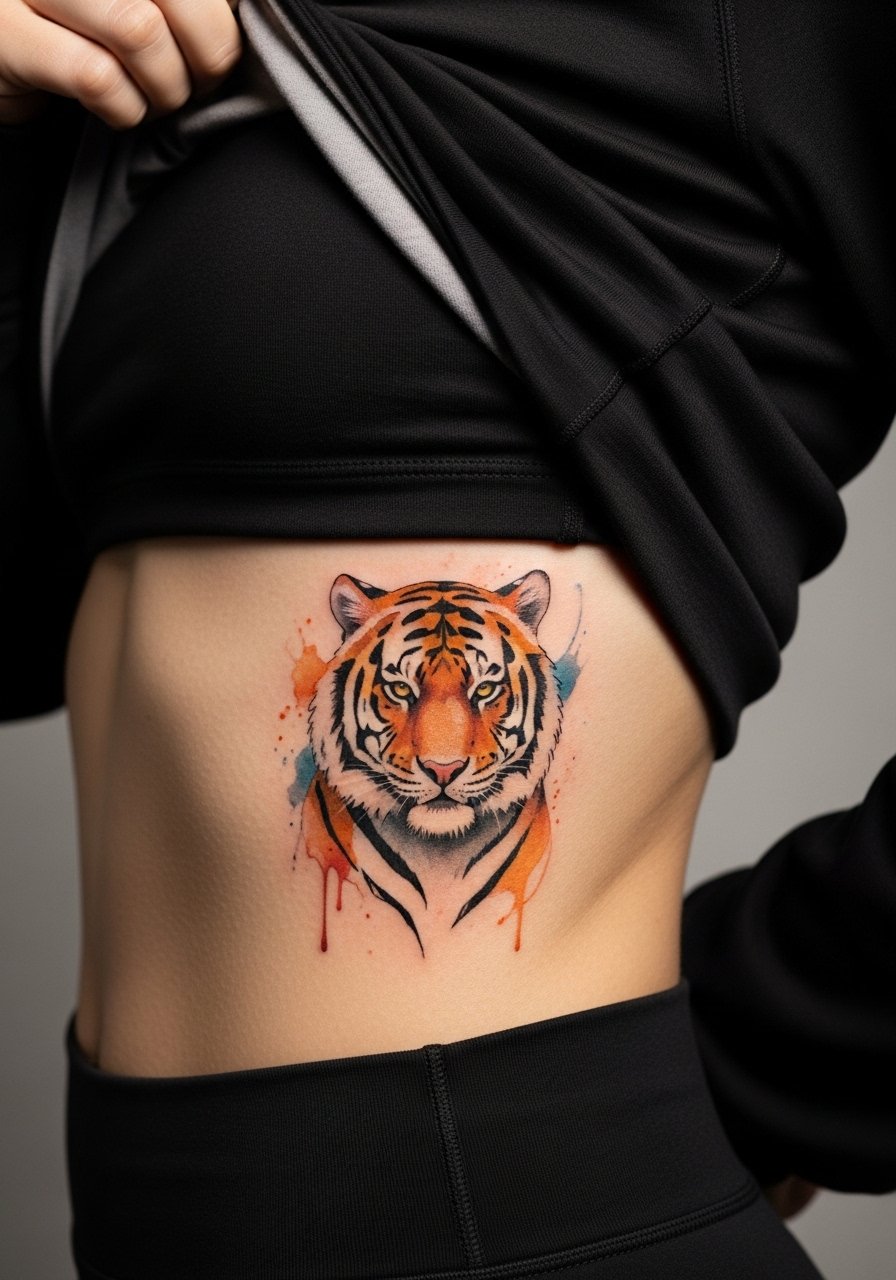
Watercolor tigers look painterly and organic, but they raise a debate about longevity. One camp argues watercolor fades into a washed bruise quickly, especially on high-movement areas like the ribs. The other camp says careful placement, denser anchors in the linework, and targeted saturation can make watercolor last. Name both camps to your artist and decide which approach you prefer. Ribcage sessions are painful for most people, often 7 out of 10, and healing can feel tender for two weeks. Keep the artwork slightly larger than you think you need so blotchy fading does not erase the form.
6. Blackwork Spine Tiger Running Down the Back
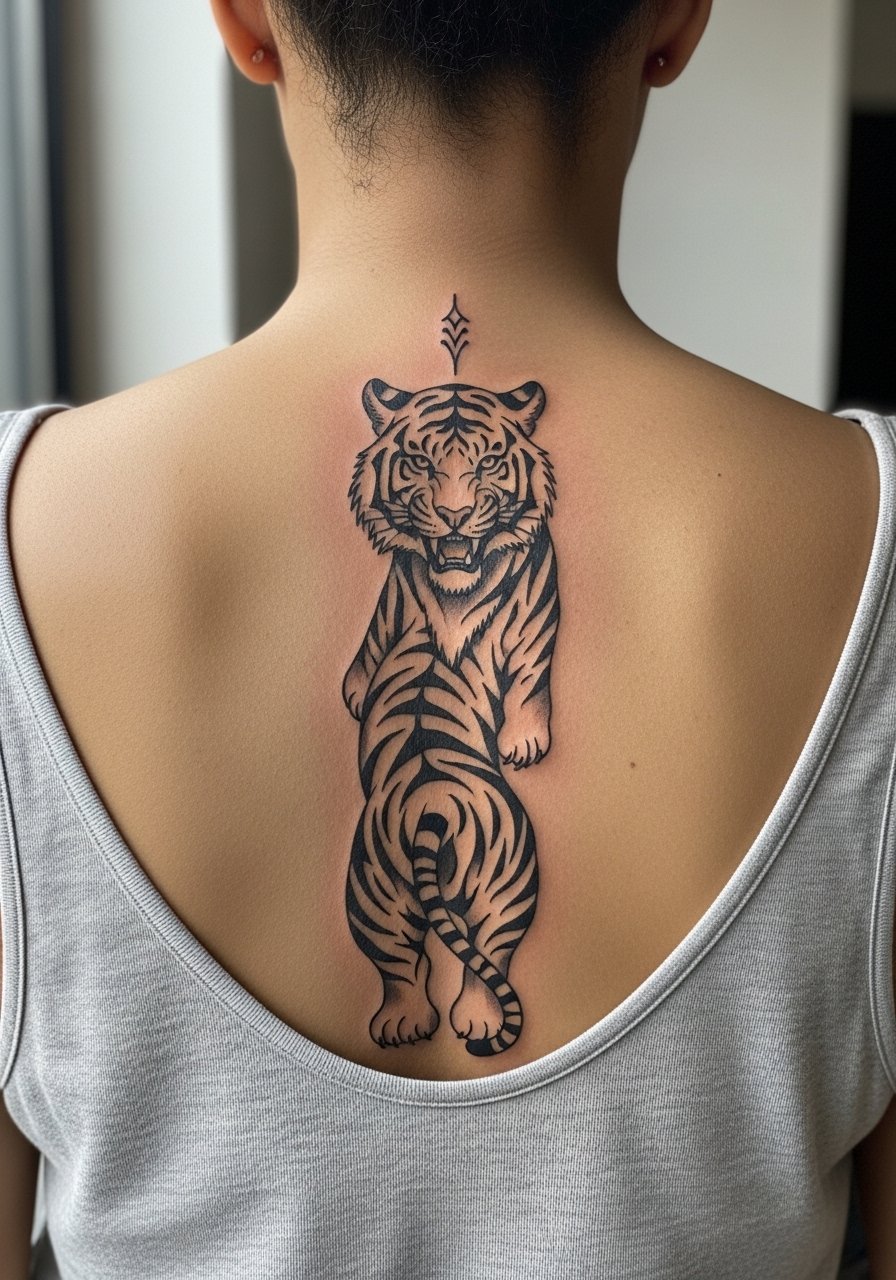
A blackwork spine tiger has dramatic impact and holds up well because large solid fills age into consistent shapes rather than softening into mush. The session will feel long and rhythmic with periods of deep saturation work. Blowout risk is lower on the central back than on soft, thin areas, but the skin there needs time between passes for comfort. For the appointment wear a loose button-down shirt you can pull aside to expose just the spine area. Expect the first touch-up at year two if you want sustained crisp edges.
Studio Day Picks
These items smooth the differences between small wrist work and longer torso sessions in ideas 1 through 6.
-
Stencil transfer paper kit. Lets you preview how the linework falls on curving areas like the ribcage and shoulder before the needle starts.
-
Topical numbing cream. Applied before chair time it can reduce the sting for sensitive zones like ribs and inner forearm.
-
Thin protective film roll. Keeps ankle and wrist pieces clear of friction from shoes or watches in the first week.
-
Fragrance-free body wash. Gentle cleansing helps prevent irritation on newly inked shoulders and upper arms during showers.
-
Aquaphor healing ointment. A thin initial layer supports moisture control on densely saturated blackwork and fine line pieces alike.
7. Minimalist Ankle Tiger Outline

Ankle placements are fun and low commitment visually, but they face friction from socks and shoes. During the consult ask for slightly bolder outer lines so the silhouette still reads after a year of movement. The session is quick and feels sharp near the bone. Avoid placing too many tiny interior details because the ankle skin tends to shift and compress. For showing the piece off, a pair of simple ankle sandals or rolled jeans highlights the area without rubbing the fresh ink.
8. Irezumi-Inspired Sleeve with Tiger and Waves
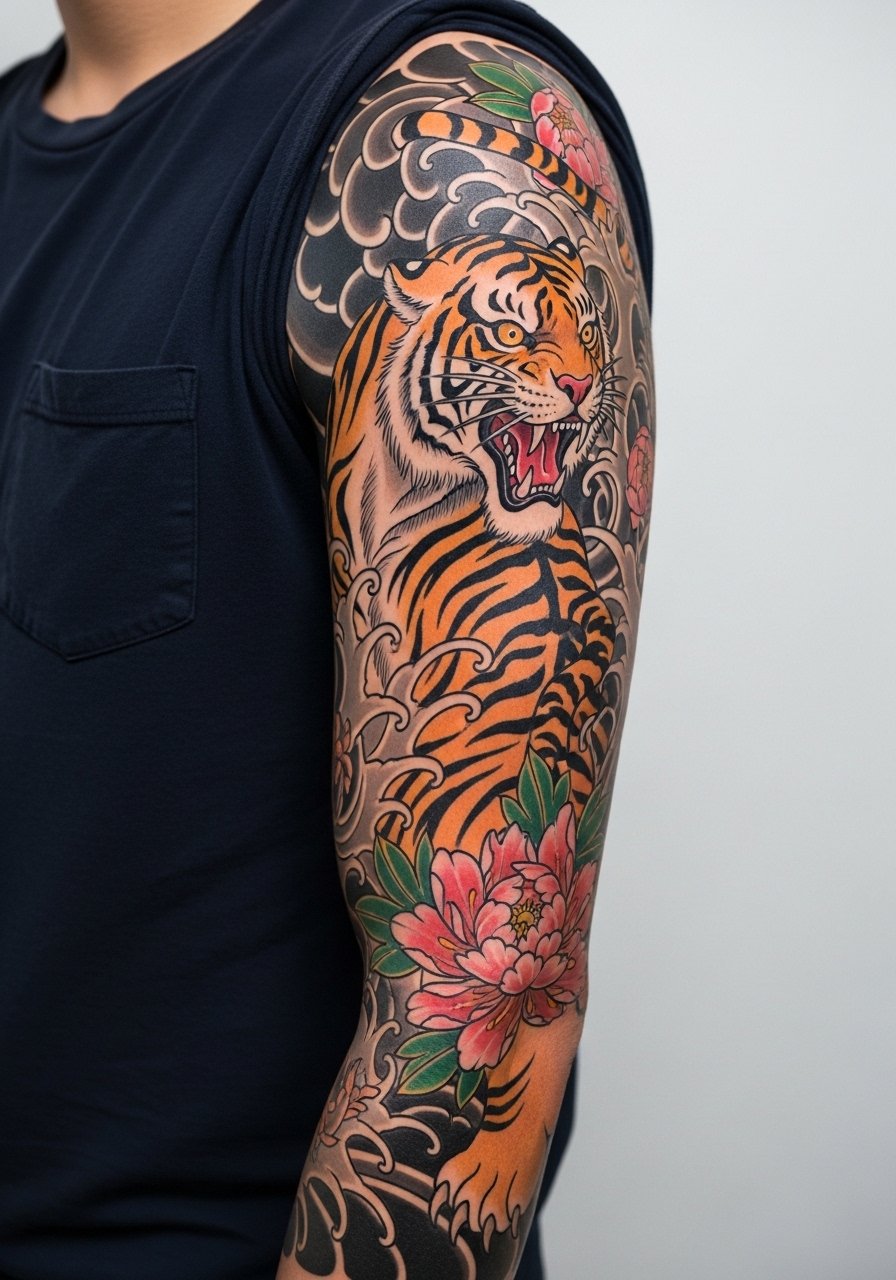
If you are drawn to the storytelling of traditional Japanese work, a tiger woven with waves and peonies offers scale and longevity. Cultural origins matter here. This style traces to Japanese carving and tattoo history, so many clients choose variations rather than direct replicas of sacred motifs. The session sequence can span multiple sittings. Discuss placement of the tiger's face versus body early so sleeve elements do not crowd the focal point. For casual wear, an open short-sleeve shirt or a loose button-down lets the composition read without bending at seams.
9. Tiny Finger Tiger Wrap
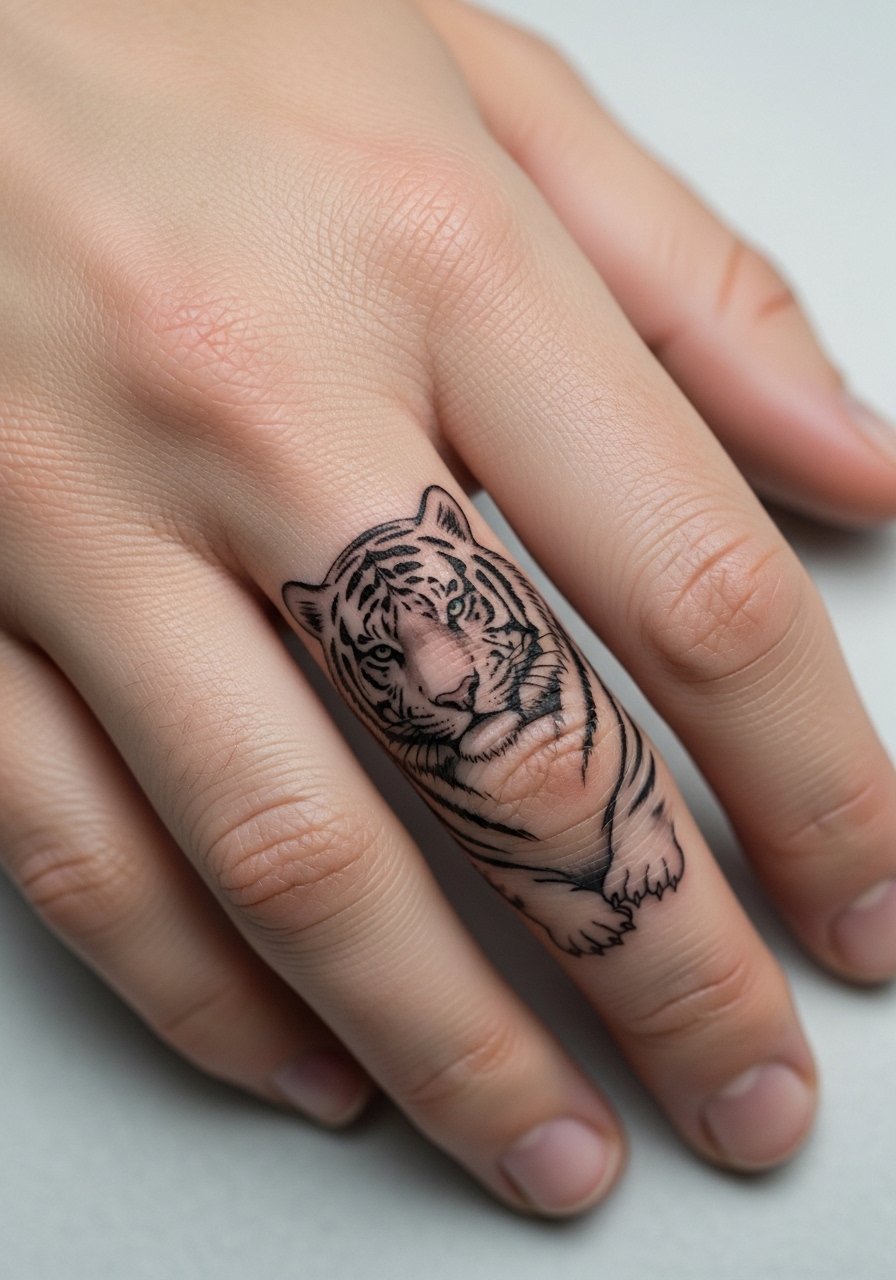
Finger tattoos are bold tiny commitments. The skin there regenerates quickly and wears the most, so expect touch-ups more often than for arm or back work. A frequent mistake is placing too many interior lines on a finger band. Ask your artist to simplify the pattern into a clear silhouette and to avoid underfilling where friction is intense. Hand and finger tattoos can affect job prospects in some fields, so think ahead. For showing this off, stacked dainty rings are a natural complement and help frame the small tiger without crowding it. Consider a thin band ring set.
10. Calf Portrait Tiger with Subtle Color
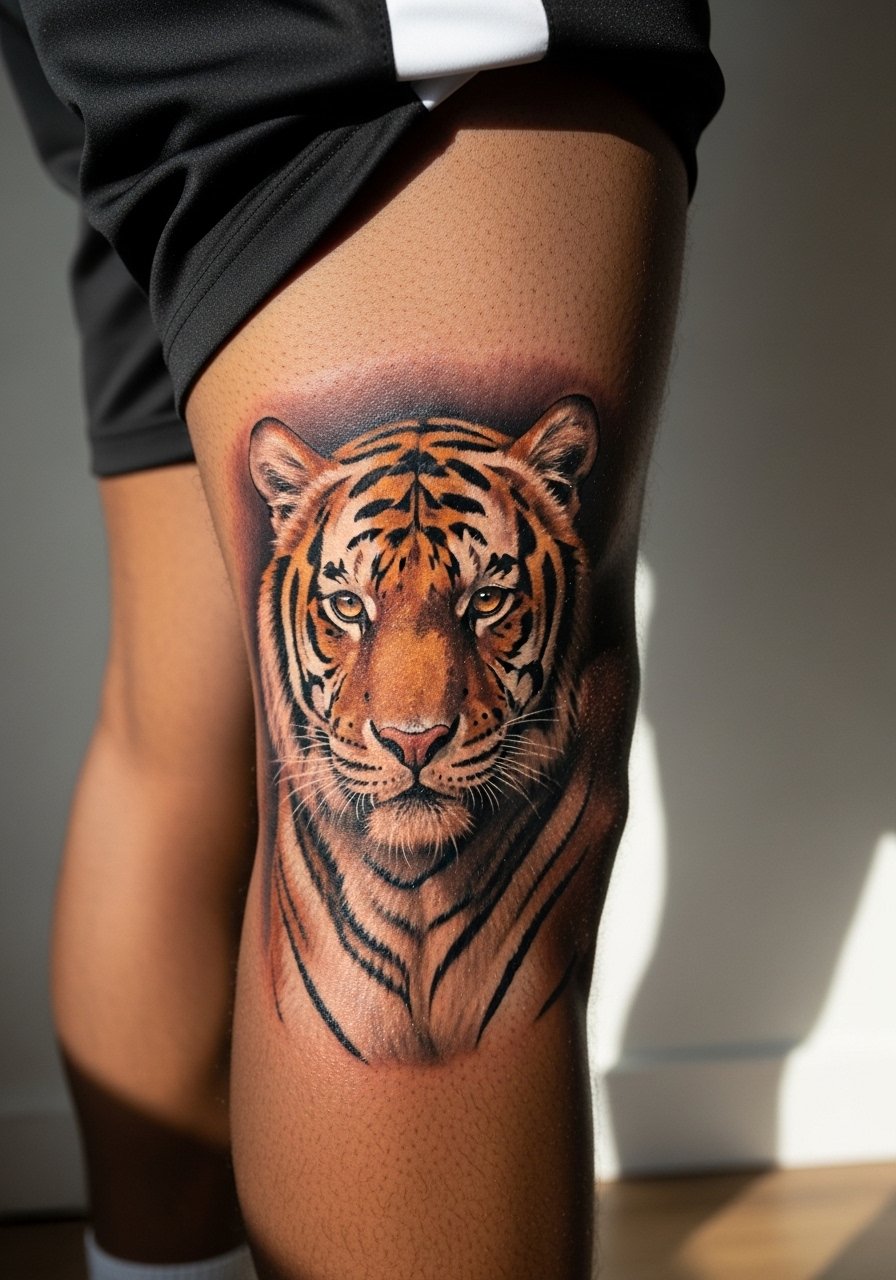
Calf pieces sit flat and offer more canvas than an arm. Portrait-grade tiger heads with light color washes do well here because the skin is thicker and less prone to blowout. Expect a medium pain level and a session that alternates between long shading passes and focused detail work. A common error is requesting extremely small eyes on a realistic head. Eyes anchor expression, so keep them proportionate. Pair the calf piece with athletic shorts on warmer days so the portrait gets the visibility it deserves.
11. Sternum Tiger Mandala
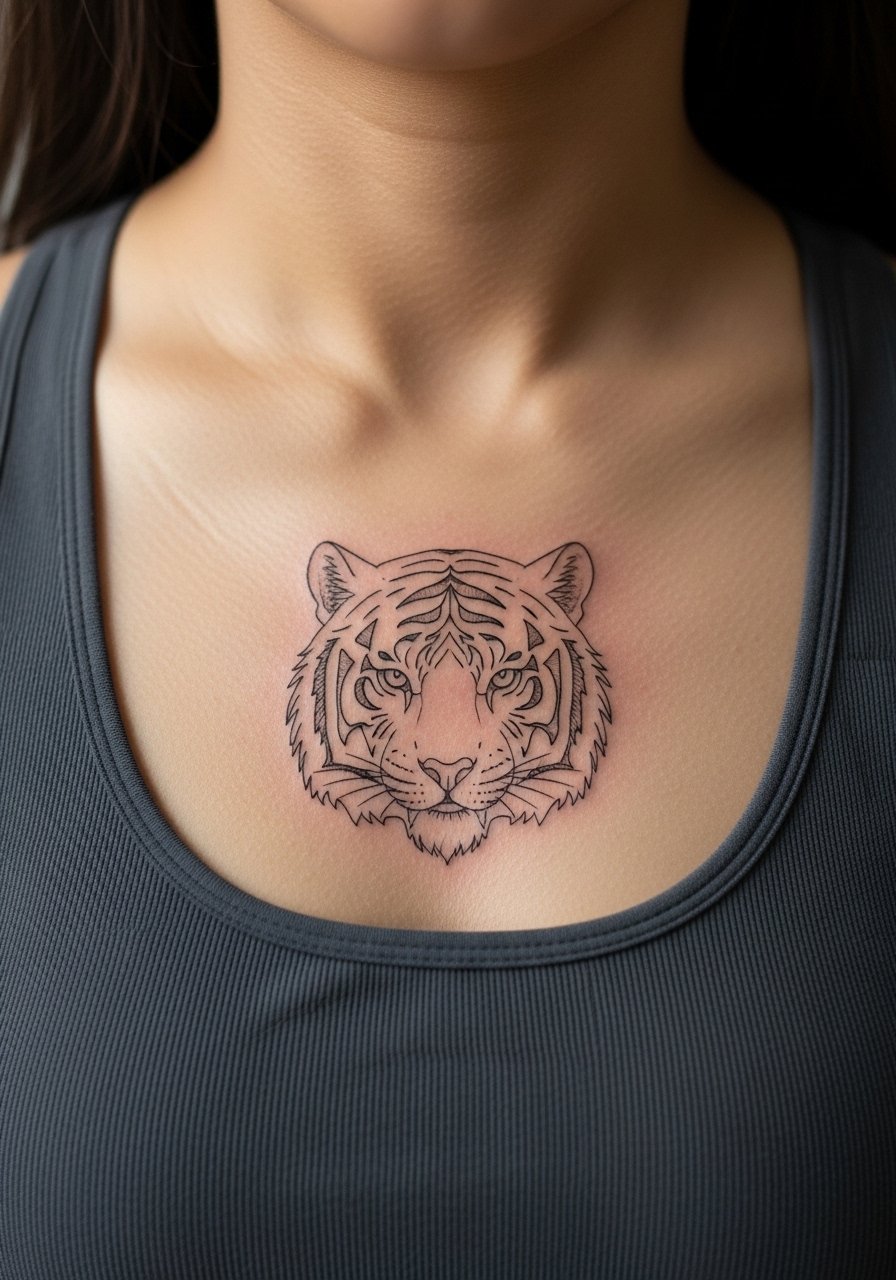
Sternum tattooing is intimate and anatomically demanding. The area moves when you breathe and the skin can be finicky for thin linework. Artists split on fine line here, so bring up both approaches in consultation. This placement is often personal and less publicly visible, so styling advice is about session comfort more than show-off outfits. Wear a strapless or zip-up top to the appointment to avoid pulling fabric over freshly inked skin. Expect tenderness for a couple of weeks and plan touch-up timing accordingly.
12. Geometric Outer Thigh Tiger with Negative Space
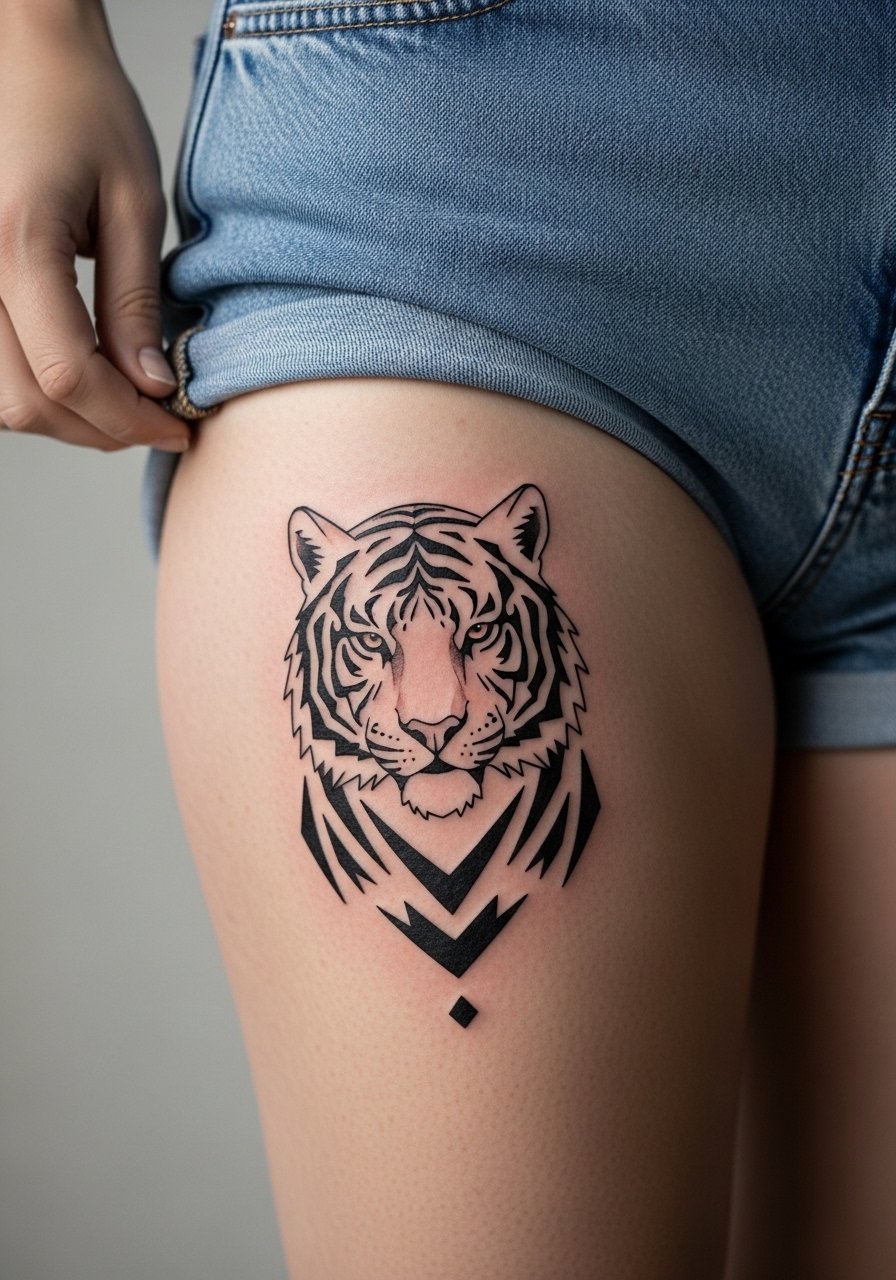
Outer thigh is forgiving for larger geometric work. The area allows for big negative-space shapes that age slowly if spaced correctly. During the consult, request mockups that show how the design flows with your body curves. A real mistake is wrapping too tightly around the thigh where seams from clothing will distort the pattern. For session day wear, choose comfortable high-waisted bottoms you can shift, like a high-waisted denim short, so the artist has clear access without you feeling cold.
13. Collarbone Tiger Script Accent

The collarbone is a graceful spot for a low-profile tiger design combined with a short script line. Pain spikes near the bone, but the result is elegant. Keep line weight steady and avoid tiny serif fonts that blur. A styling tip is to wear a thin chain pendant necklace that sits above the script without competing for attention. Ask your artist how much negative space they recommend between the tiger and the lettering to avoid merging over time.
14. Shoulder Blade Tiger in Stipple Shading
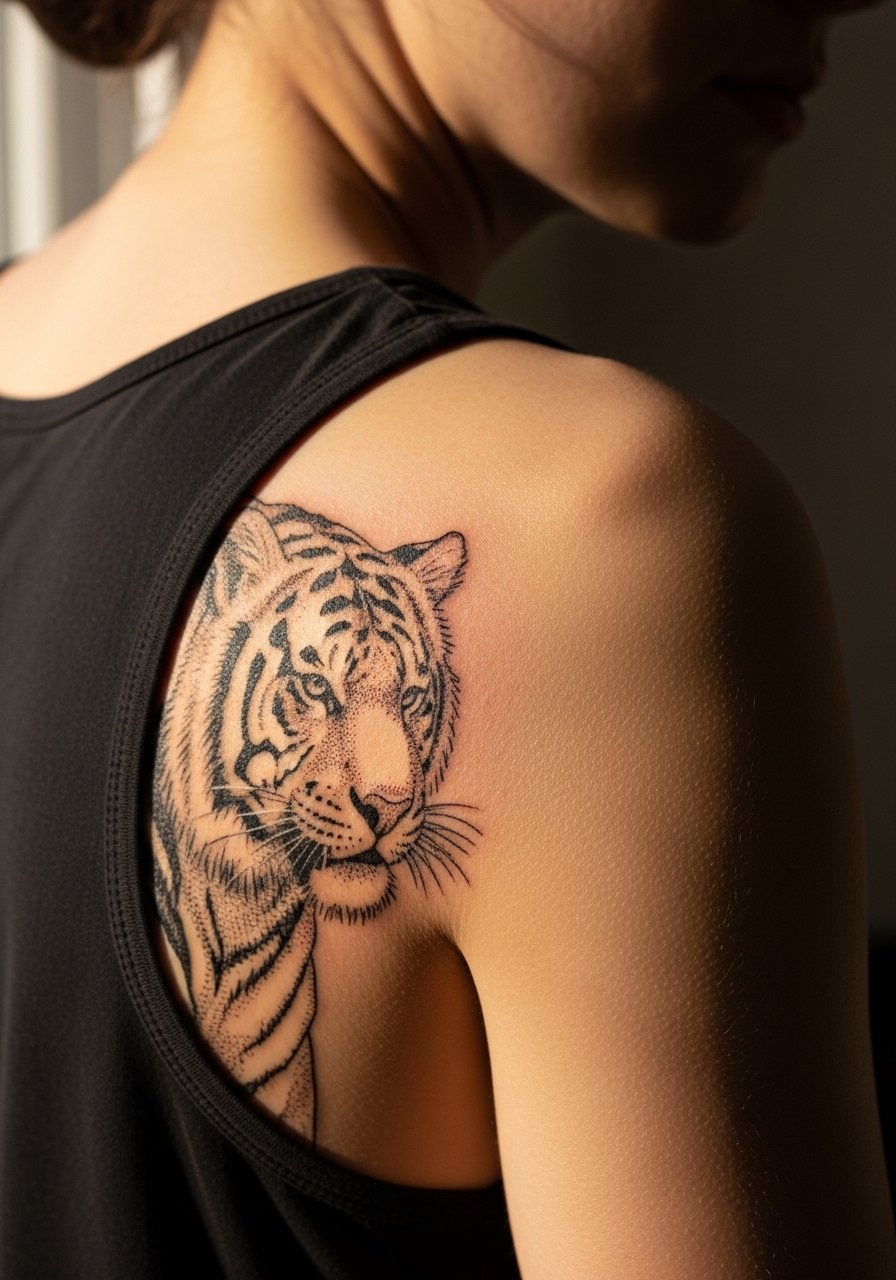
Stipple shading gives a soft, textured look that can age gracefully because the dots break up solid fades. The shoulder blade is low-friction and usually preserves detail well. Discuss dot density with your artist, because overly dense stippling can read as a gray block later. The session is comfortable for most, though reaching around the shoulder can create awkward angles. For easy access on appointment day, slip into a loose tank top and plan for a quick, cool shower post-session.
15. Tiny Behind-the-Ear Tiger Accent
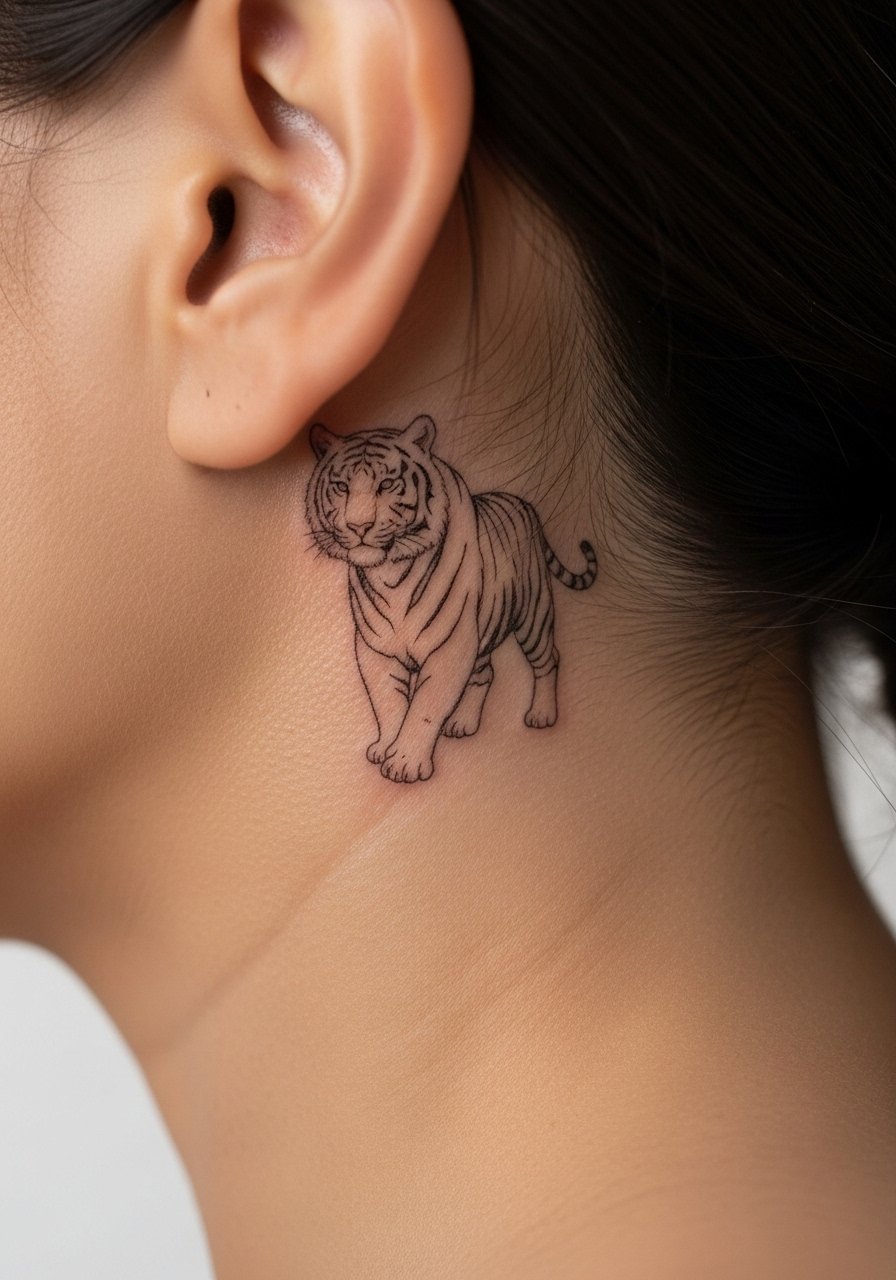
Behind-the-ear tattoos are subtle and modern, but the location is sensitive and requires a steady hand. The ideal design is tiny and simple because the area offers little room for detail. Sessions are short but the skin there sits close to cartilage, which can feel sharp. If you plan to hide it often, this is a good place. If you want long-term visibility, remember hair can partially obscure the work. Because it is near the neck, be sure the artist has consistent experience there and ask about their touch-up history.
16. Knuckle Tiger Eyes Pair
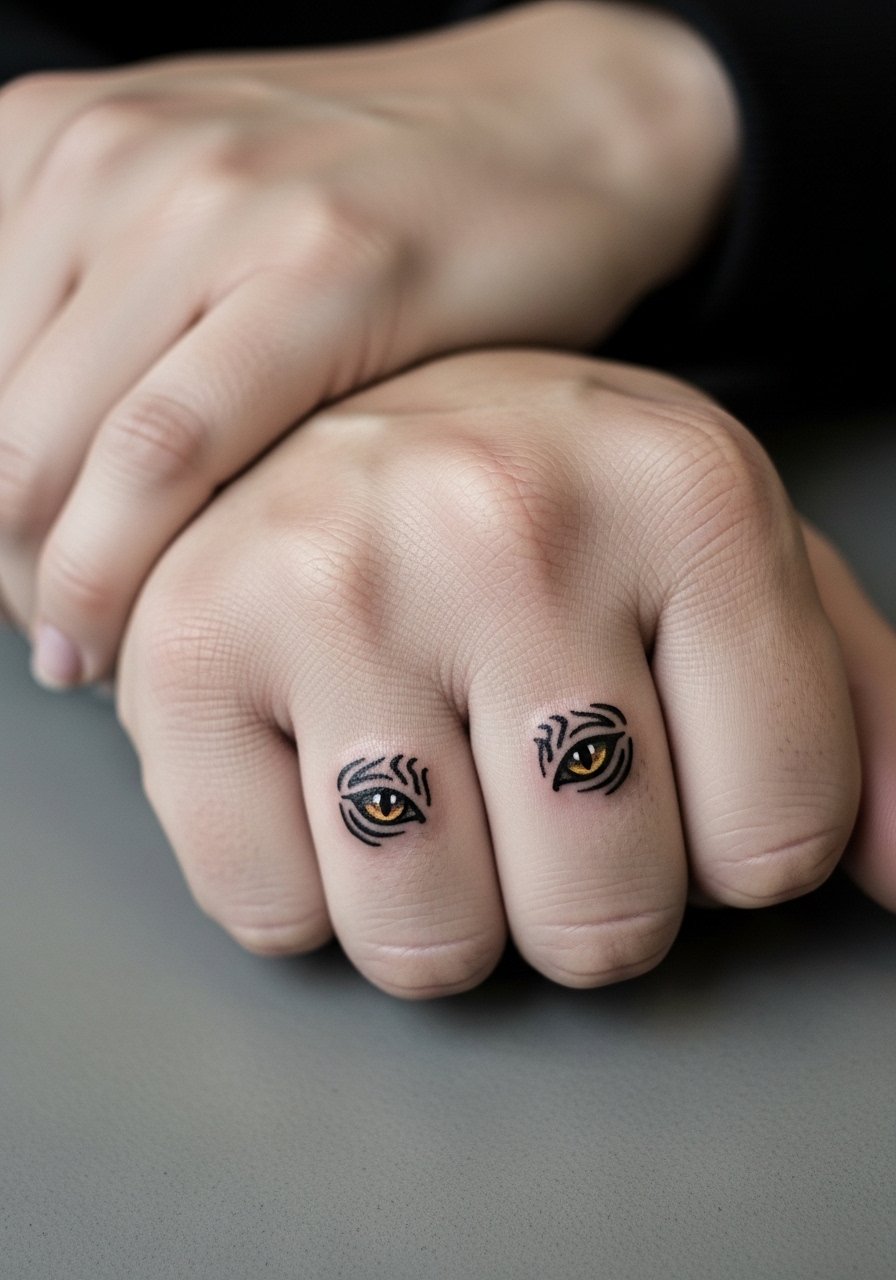
Knuckle tattoos get a lot of wear from hand washing and sunlight, so accept frequent touch-ups. A successful knuckle pair relies on bold, simple shapes and open space around the motif. The session is quick and sharp with intermittent pressure. Avoid tiny crosshatching that will blur. For styling, minimal wide-band rings keep focus on the knuckles while avoiding rubbing the tattoos directly. Consider a wide band ring that complements rather than competes with the motif.
17. Calavera-Style Tiger on the Upper Bicep
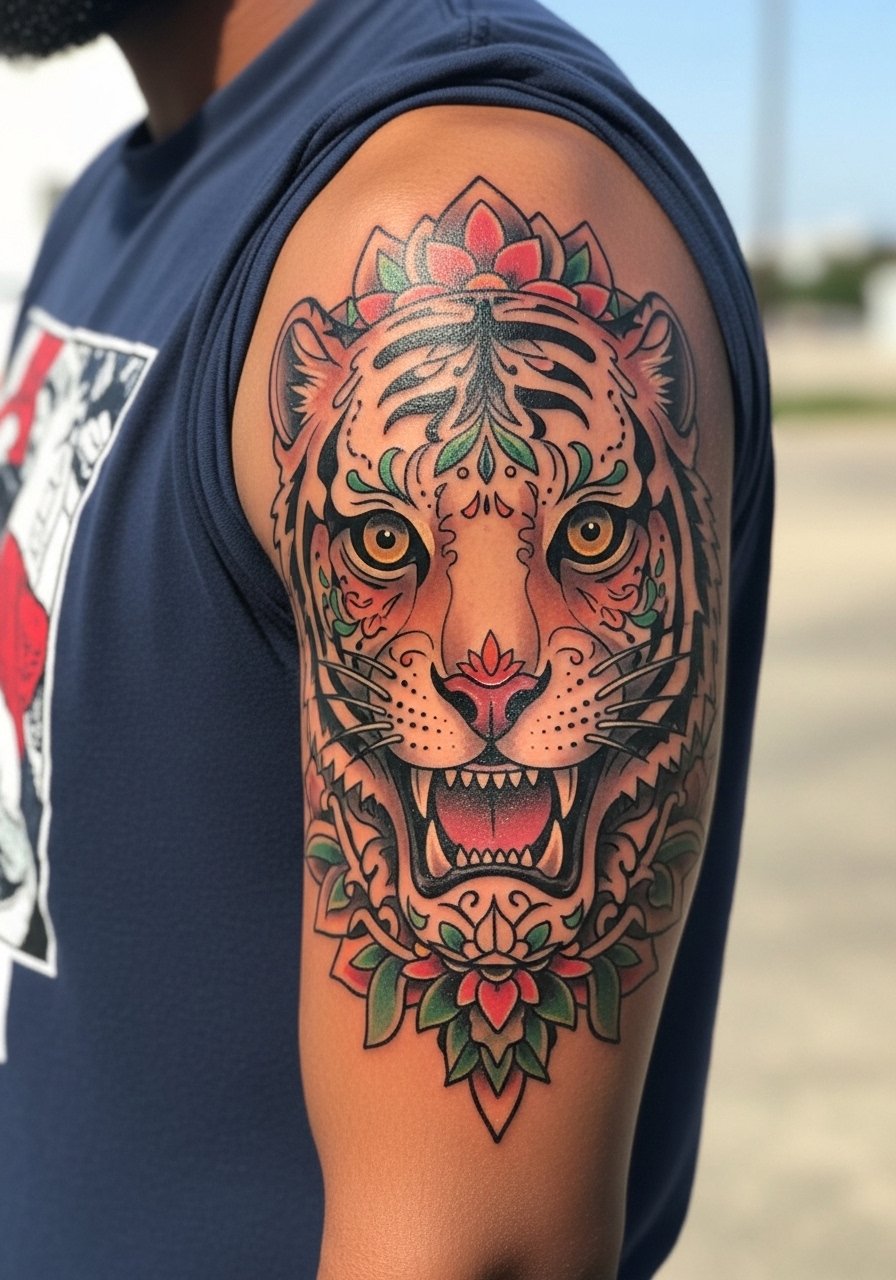
A calavera or Day of the Dead take on a tiger blends decorative linework with bold facial framing. Be mindful of cultural context. If you draw from specific traditions, discuss respectful adaptation with your artist. Upper bicep placement is forgiving and shows well in short sleeves. Sessions are moderate in intensity and allow room for color pop without risking blowout. For casual visibility, a rolled short sleeve or a fitted tee highlights the motif. Try a fitted short-sleeve tee to keep attention on the upper arm.
18. Watercolor Tail Wrapping the Wrist

A tail wrapping the wrist reads dynamic and feminine, but watercolor washes on the wrist face friction and frequent washing. If you love the painterly look, ask for stronger anchor lines in the tail and richer saturation nearer the wrap so the form remains visible as the washes soften. The appointment is short and can feel stinging near bone. For showing off, stacking thin bracelets or a minimalist watch draws attention to the circular motion without rubbing directly on the tattoo.
19. Blackwork Full Back Tiger Mural
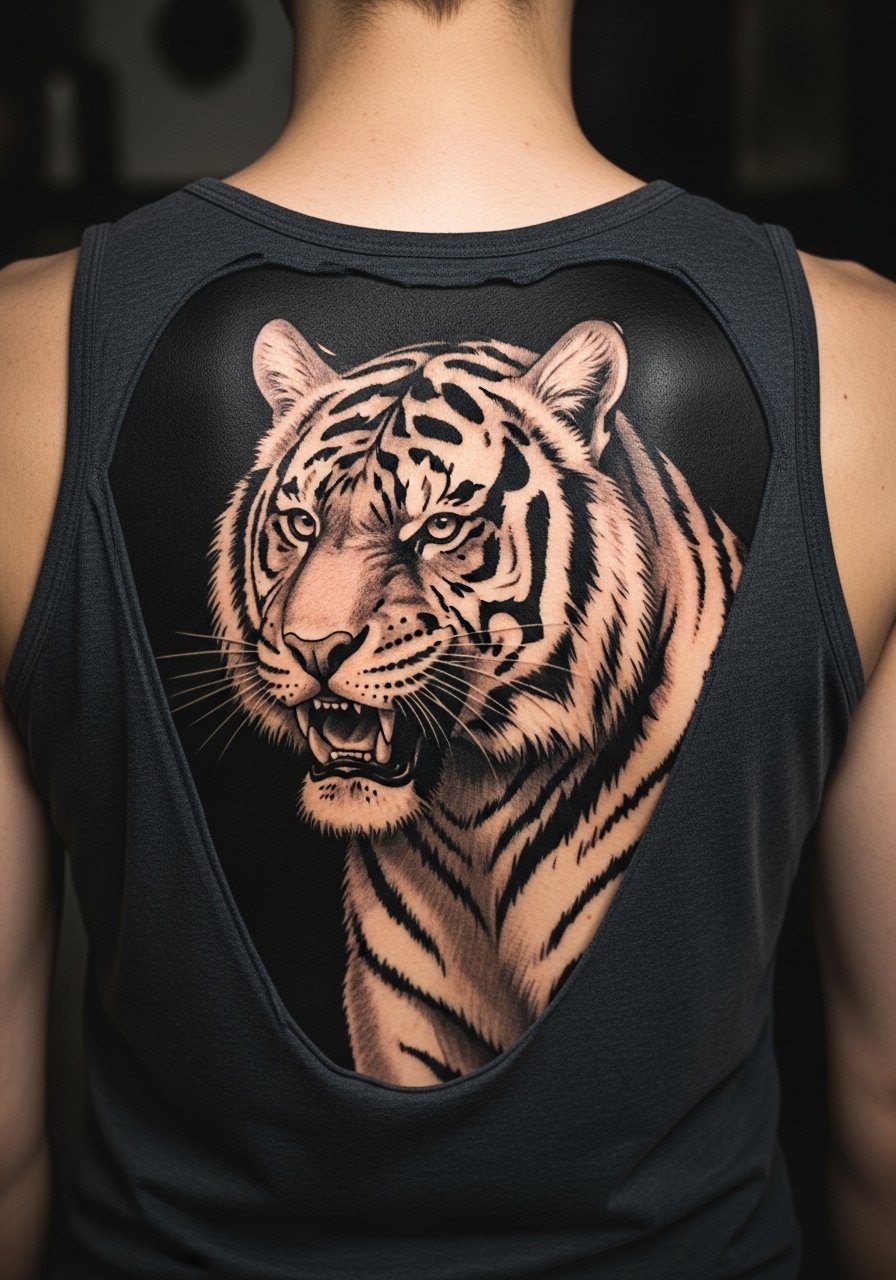
A full back blackwork tiger is a commitment that pays off in long-term readability because large fields of black age into consistent shapes. Sessions will span multiple days and require endurance. A common error is over-detailing small facial features in a piece meant to be viewed from distance. Instead, prioritize bold compositions and clear negative space. For session day wear, bring a loose tank top you can shift easily. Plan for at least one touch-up within two years to maintain edge crispness.
20. Side Neck Geometric Tiger Accent
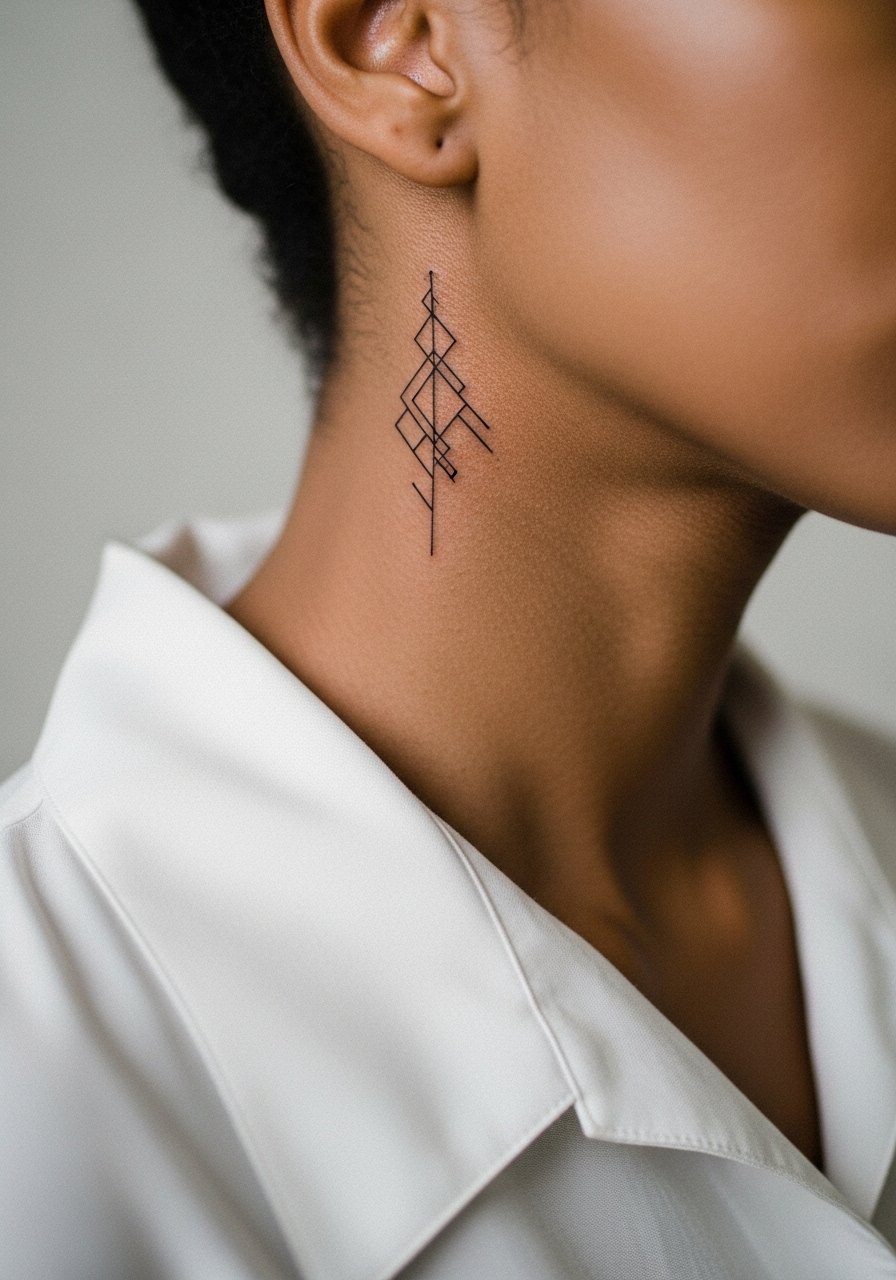
Neck tattoos are visible and sometimes career-impacting, so weigh placement against lifestyle. The skin on the side neck reads fine detail but also moves with turning and swallowing, which can blur thinner lines. Artists divide on how dense to make neck work, so ask which approach they use and why. The session is surprisingly fast but can feel tender. For a subtle reveal, plan outfits with wide-neck shirts and a wide-neck top that sits just below the design when you want it seen.
21. Flowing Rib-to-Hip Tiger Vine
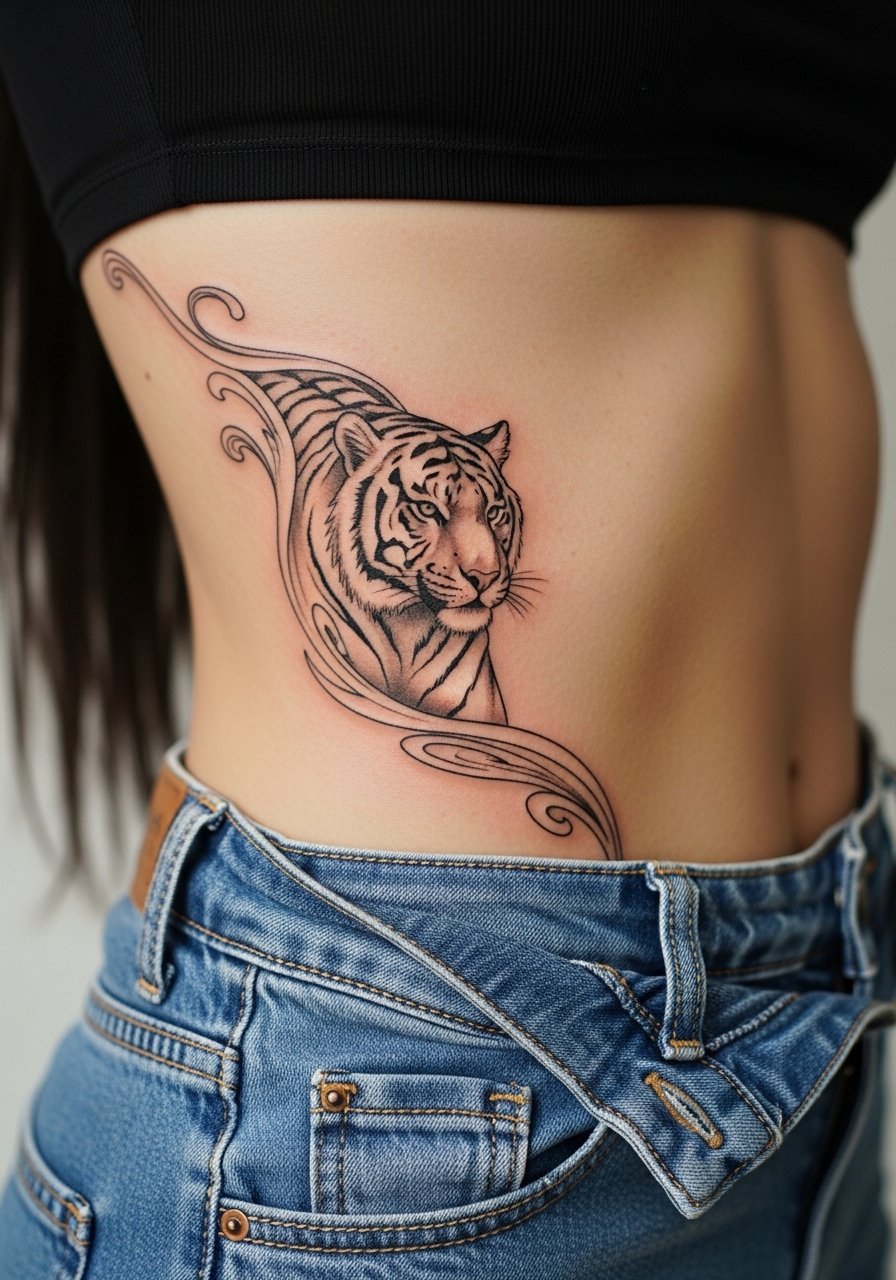
This long, flowing placement suits collectors who want a piece that follows body lines. It is intimate and often less visible in day-to-day, which some people prefer. The rib and hip skin stretches and shifts, creating a risk for thin line blurring. Make sure the artist maps the flow on your body while standing and moving so the tiger reads well at rest and in motion. Session pain is higher at the rib and lower at the hip, so plan breaks and comfortable clothing like high-waisted jeans that you can adjust for the chair.
Frequently Asked Questions
Q: Will a fine line tiger on the ribs blur faster than a traditional tiger on the shoulder?
A: Yes, ribs often blur sooner because the skin stretches with breathing and movement. The shoulder has thicker, more stable skin and sees less direct friction. If you want fine line there, ask your artist for slightly heavier anchor lines and schedule a touch-up around year two.
Q: How should I dress to protect a fresh ankle or wrist tiger during the first week?
A: For ankles wear open sandals or roll pants to avoid constant rubbing. For wrists opt for loose sleeves and avoid watches. A breathable sock or sandals that do not rub the tattoo area will help. I like recommending neutral sandals that leave the ankle exposed until the scab-free stage.
Q: Is watercolor a bad choice for a tiger if I want longevity?
A: Watercolor can look extraordinary but tends to fade faster in high-friction or sun-exposed areas. Artists split into two camps: those who avoid watercolor on small, mobile spots and those who add subtle anchor lines to extend life. If longevity is crucial, consider a hybrid approach with line anchors.
Q: How often should I expect touch-ups for finger and knuckle tigers?
A: Plan on at least one touch-up within the first 12 to 24 months for fingers and knuckles, and possibly more over the years. The hands regenerate often and face constant washing, which breaks down pigment faster than torso work.
Q: Are there cultural concerns with Irezumi-style tiger designs?
A: Irezumi motifs have deep cultural roots. Many clients choose to adapt elements respectfully rather than copy sacred imagery directly. Ask your artist about their approach to honoring lineage and consider small variations that nod to the tradition without replication.
Q: Can I wear jewelry to complement a collarbone or wrist tiger without damaging it?
A: Yes, choose pieces that sit above or beside the tattoo rather than rubbing directly on it. A thin chain pendant necklace works well for collarbone pieces. For wrists, a minimalist watch can frame the art as long as it is not worn during the initial healing window.