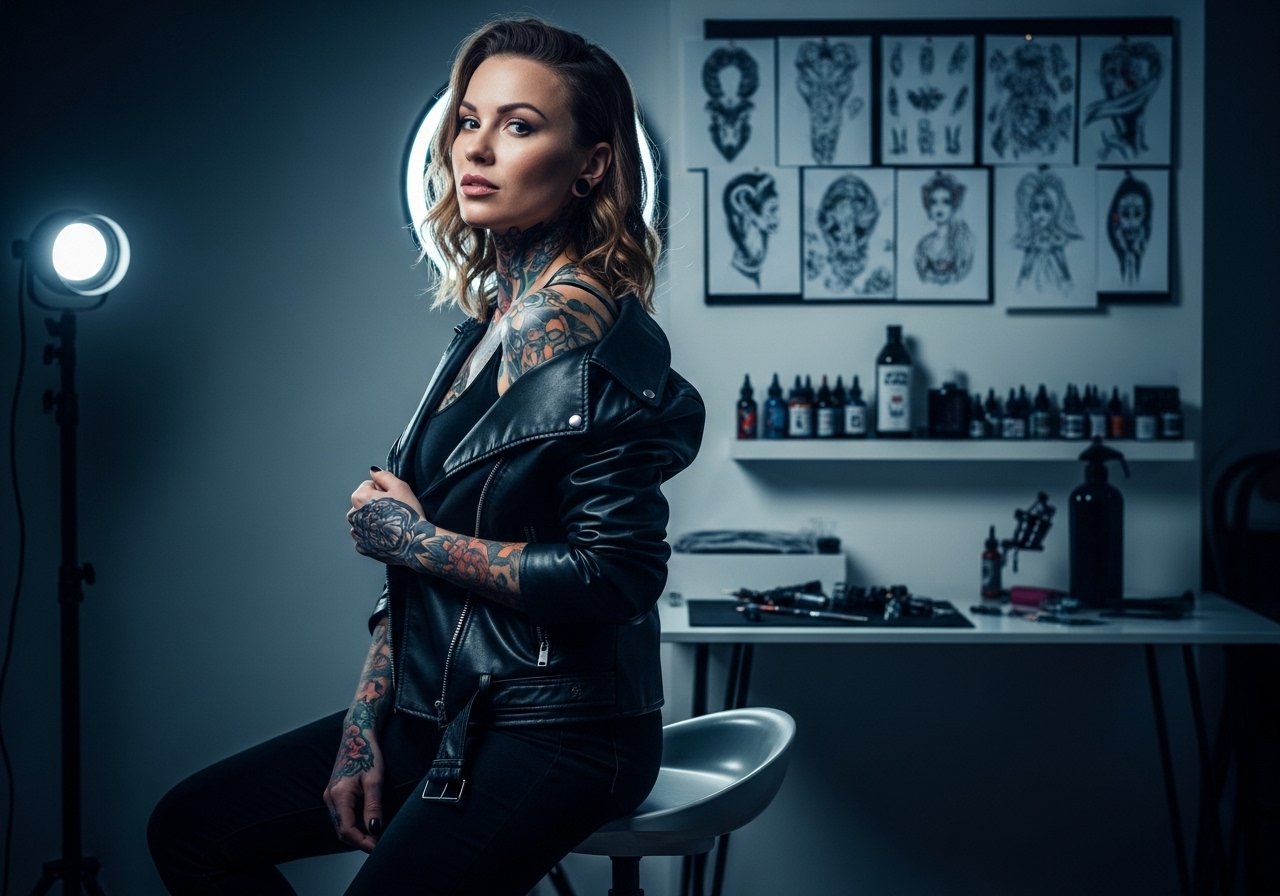
Fine line tattoos dominate Pinterest right now, but the trend has a gap between the look people want and how the ink actually ages on the arm. Inner forearm pieces can fade faster if you type a lot, some first-timers report more pain than expected, and thin dresses or work blouses can let dark linework peek through. Below are 21 minimalist forearm ideas that balance fresh looks with realistic aging and wardrobe sense.
1. Fine Line Butterfly Outline on Inner Forearm
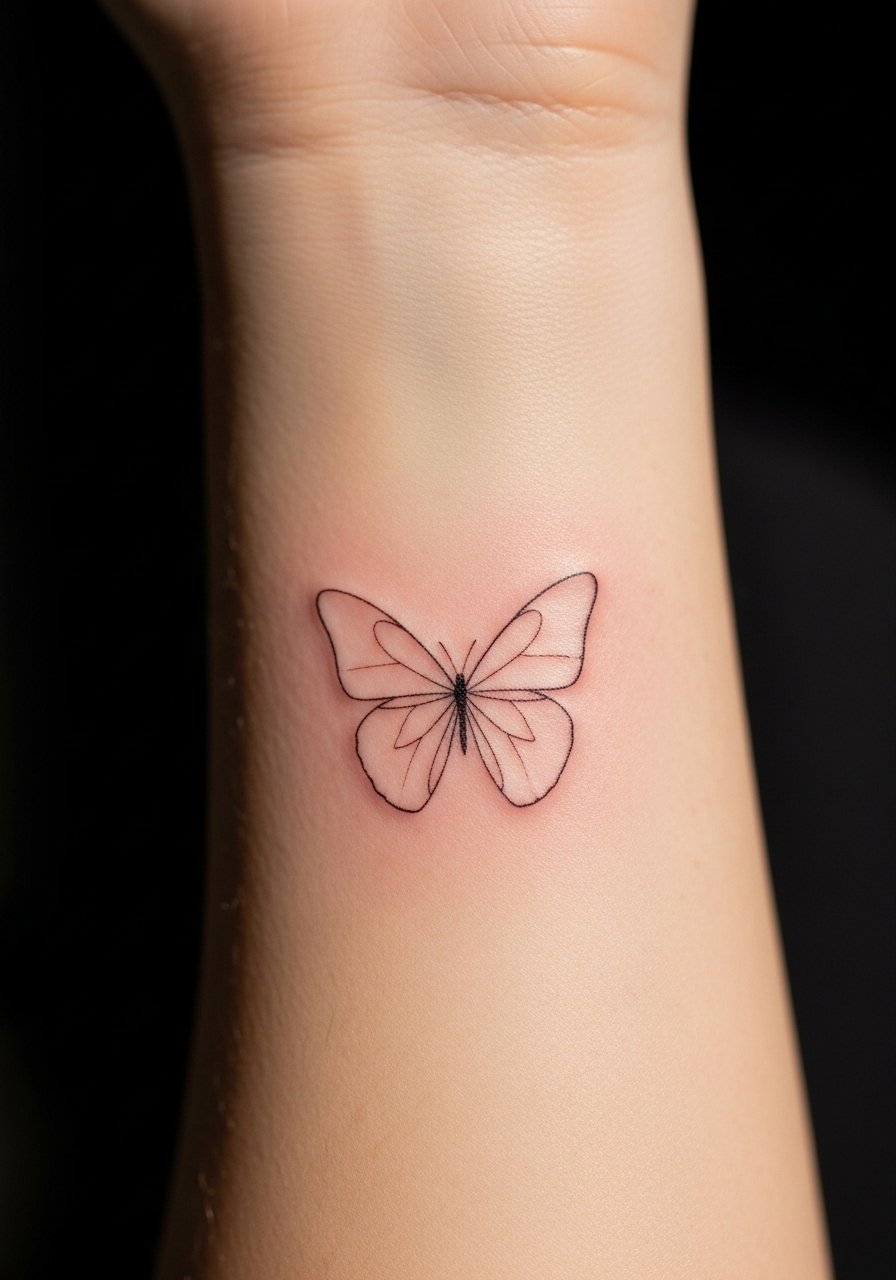
I see this on clients who want something delicate but visible when they want to show it. Fair warning about the fine line debate. One camp loves that a thin butterfly ages into a whisper of a mark that still reads with charm. The other camp says bold linework keeps the wings clear after friction from typing and sleeves. Tell your artist you want light wings but with slightly firmer line weight so the antennae and wing tips do not merge after a year or two. For the session wear a short sleeve or a cotton button up shirt you can roll to expose the inner arm easily.
2. Minimalist Wrist Arrow
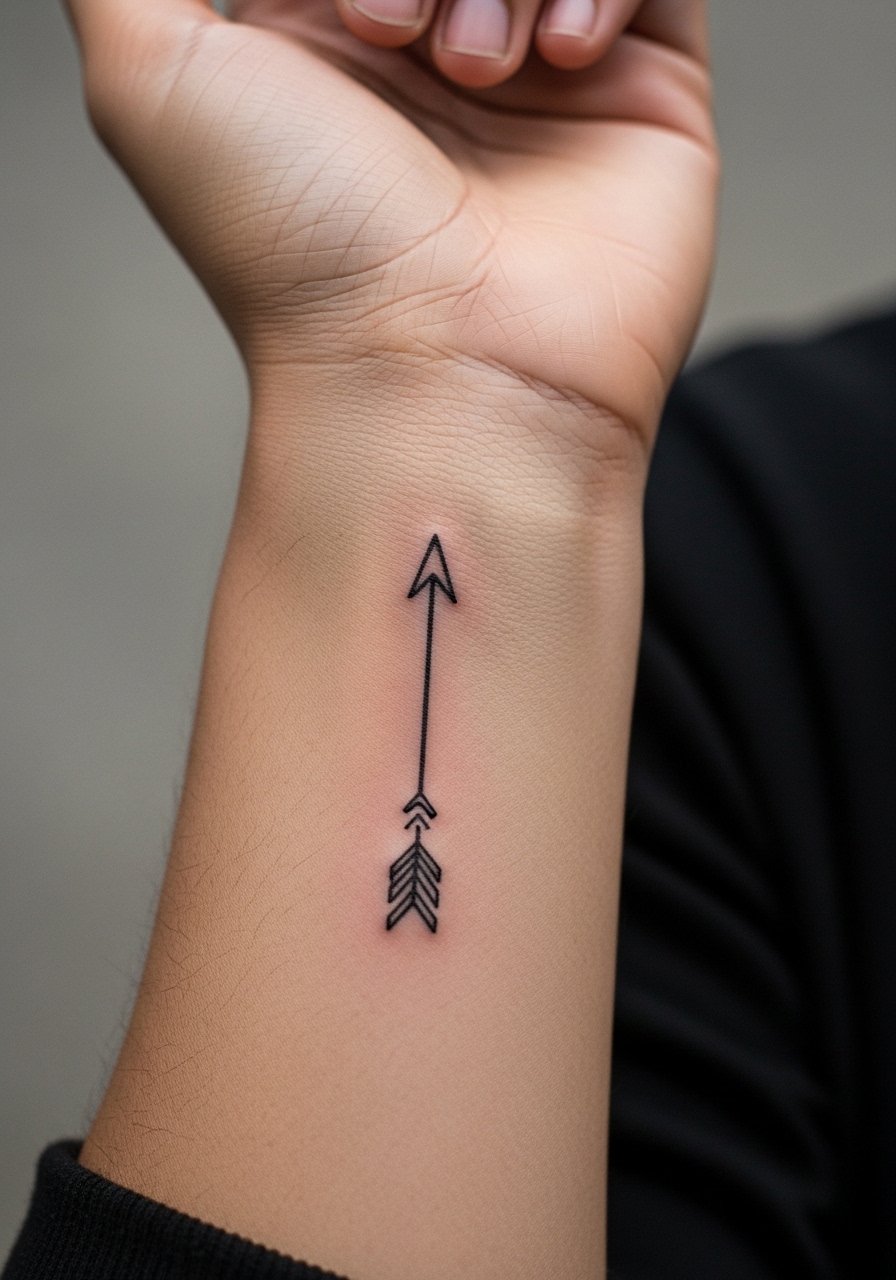
I recommend this when you want an elongating graphic that reads well under bracelets. The wrist can sting more than expected because bone sits close to skin, so eat and hydrate before booking. During consultation ask for a slightly thicker shaft than your phone reference so the arrow keeps shape against daily washing. For showing it off, a thin leather bracelet opposite the ink keeps attention balanced without crowding the linework. Expect a single short session that feels sharp but brief.
3. Single Line Floral Stem on Outer Forearm
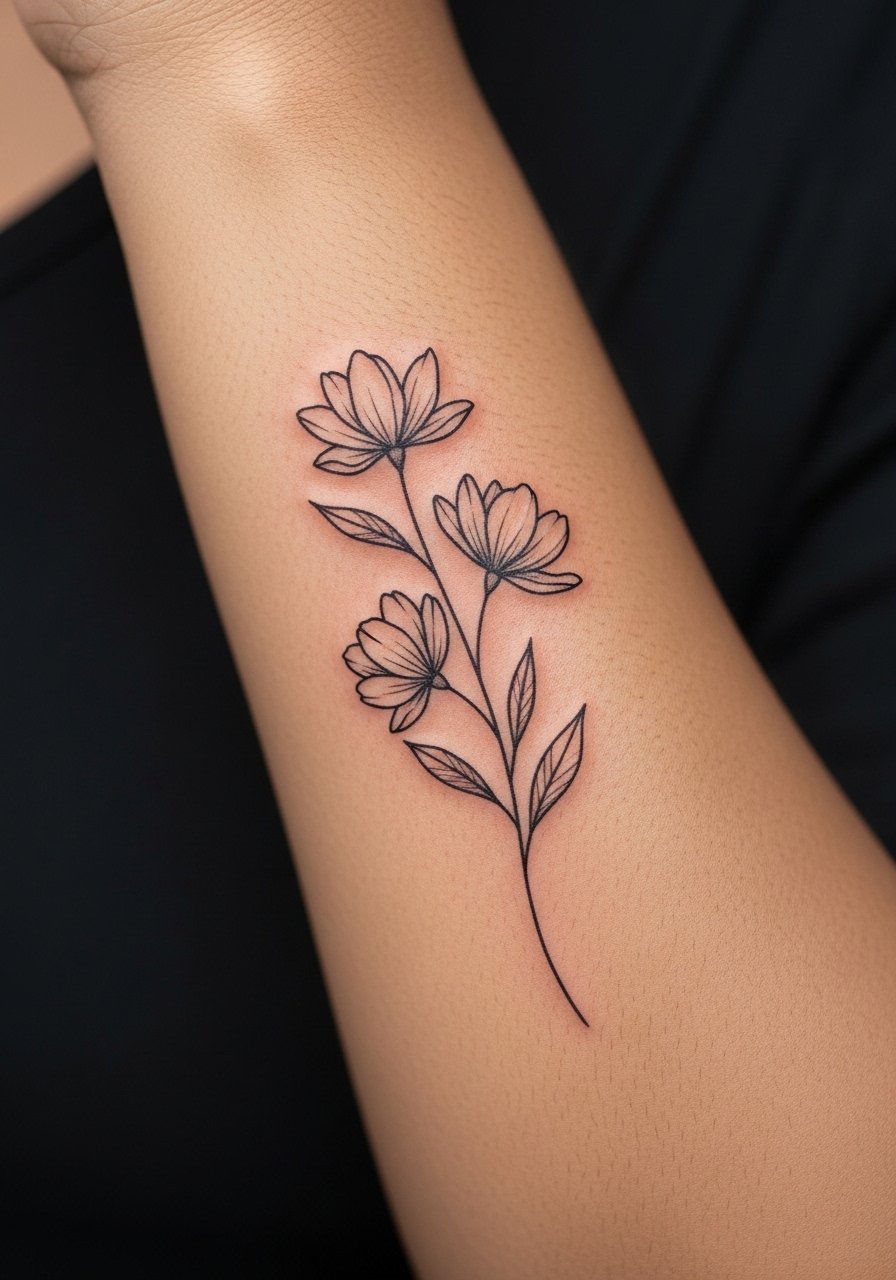
This vertical vine follows the arm and flatters movement when you gesture. Most people ask for one continuous stroke and the mistake is going too tight with tiny petals. Give the artist room, and the petals will keep separation at six months and beyond. For a daytime wardrobe, pair the piece with an open knit cardigan and a fitted tank so the lines peek from the sleeve in a considered way. Touch-ups are rarely needed in the first year if spacing is correct.
4. Tiny Heart with Initial on Inner Arm
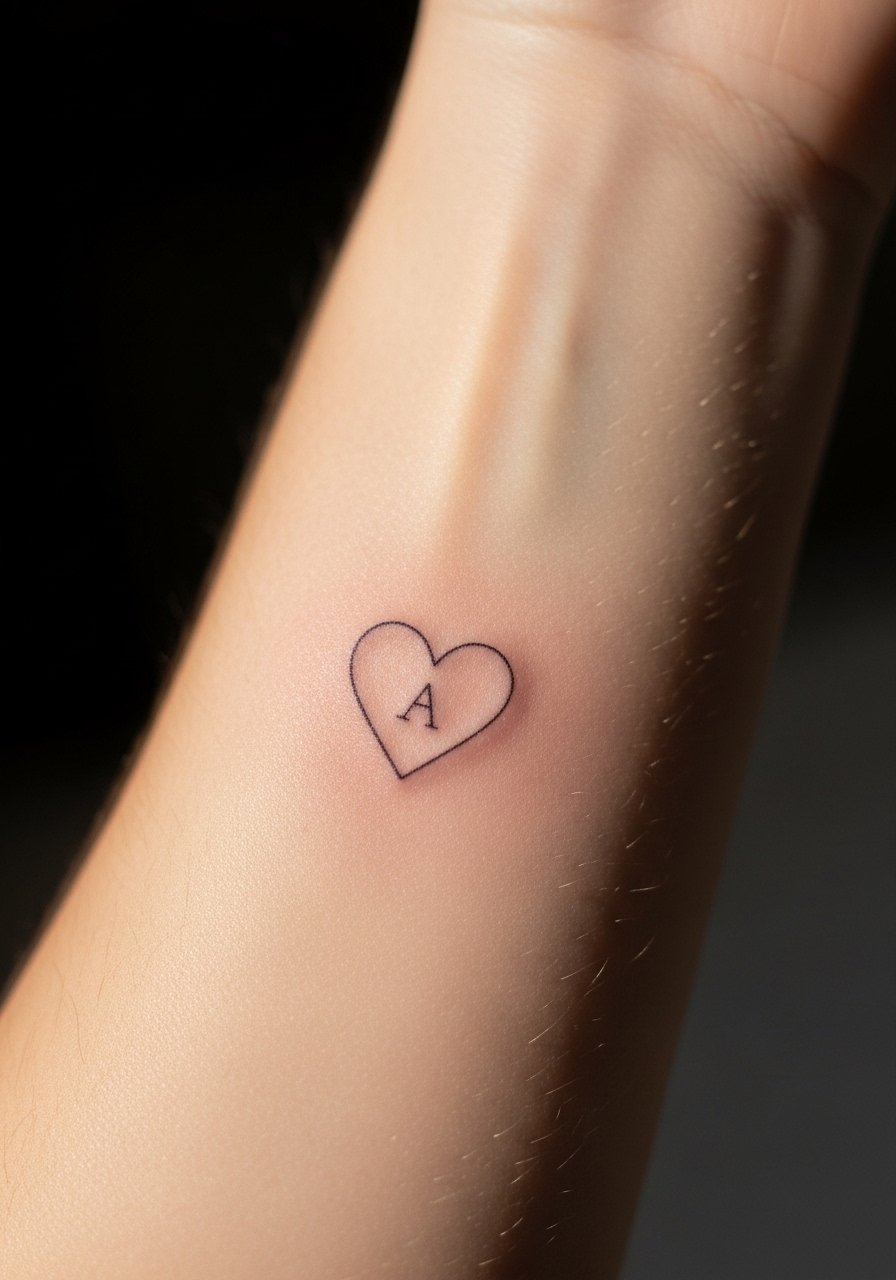
This is discreet and personal for first-timers who want something intimate but not hidden. The common error is shrinking the letter so small it loses legibility after healing. Ask your artist to lay out the initial at a readable scale and request a slightly darker fill inside the heart so it keeps its shape. For session comfort, wear a rolled cuff blouse women or a short sleeve tee so the artist can access the inner arm without tugging at fabric. Expect minimal downtime and one quick appointment.
5. Dotted Wave Wrap on Forearm
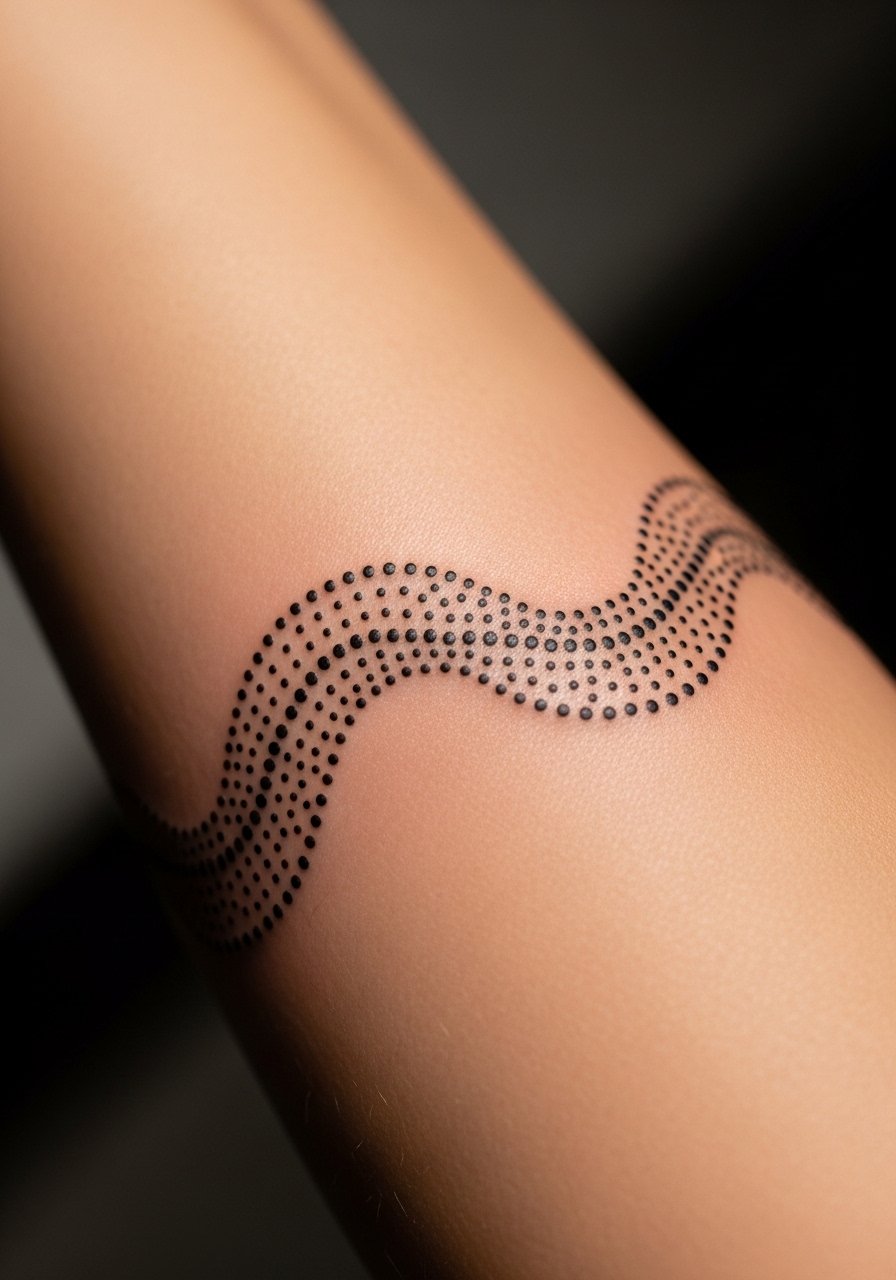
Dot work that wraps feels airy and modern, but the biggest risk is over-tight wrapping that leads to blurred dots after a year. A safer version spaces the dots slightly and keeps the wrap to a section of the forearm rather than a full sleeve. Tell your artist you want distinct dot spacing and a gentle wrap, not a dense band. This style is breathable with movement and sits well with rolled linen sleeves. For evenings, try a loose linen blouse to let the wrap show without crowding.
6. Moon Phase Stack from Wrist to Forearm
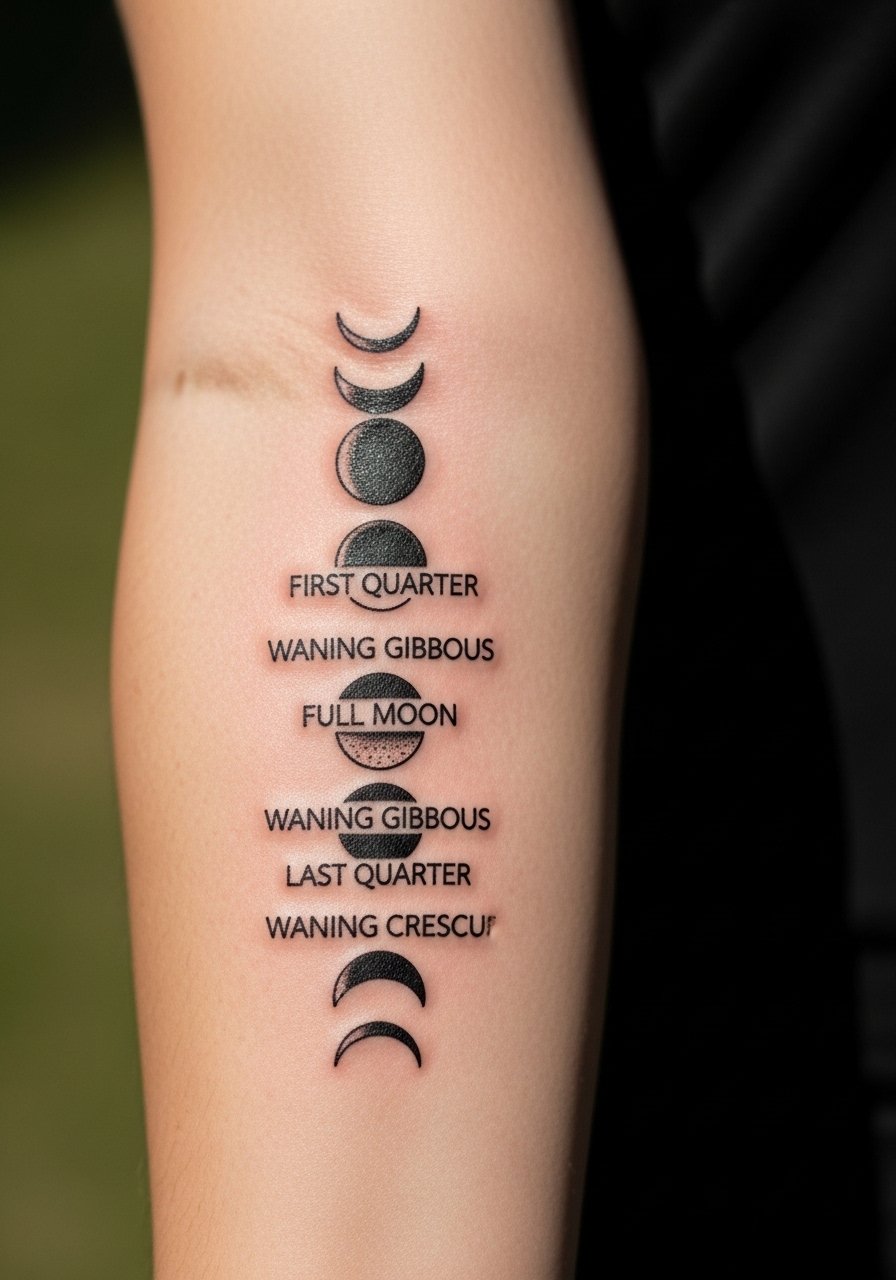
This vertical stack suits people who want a compact sequence that follows the arm. The mistake I see is cramming too many small phases into too little space, which makes crescents merge with time. Ask for 3 to 5 phases at a scale that reads at arm distance. For workwear, the stack hides easily under long sleeves, and for show-off moments pair with a silk blouse women with cuffs rolled. Expect one or two short sessions depending on spacing.
Studio Day Picks
The wrist and inner forearm pieces above face more rubbing and frequent washing than larger forearm work, so a few small items make the appointment and the first week easier.
-
Stencil transfer paper kit. Lets you preview the scale and placement on your skin before the needle touches, which is especially helpful for tiny initials and phase stacks.
-
Topical numbing cream. Applied before a short wrist session can ease nerves for people sensitive to bone vibration.
-
Thin protective film roll. Protects lower forearm pieces from friction during the first 48 to 72 hours when lines are most vulnerable.
-
Fragrance-free body wash. Cleanses the area gently after sessions without irritating fresh linework.
-
Aquaphor healing ointment. A thin layer in the first few days helps keep fine line channels moisturized while they close.
7. Negative Space Leaf on Outer Forearm
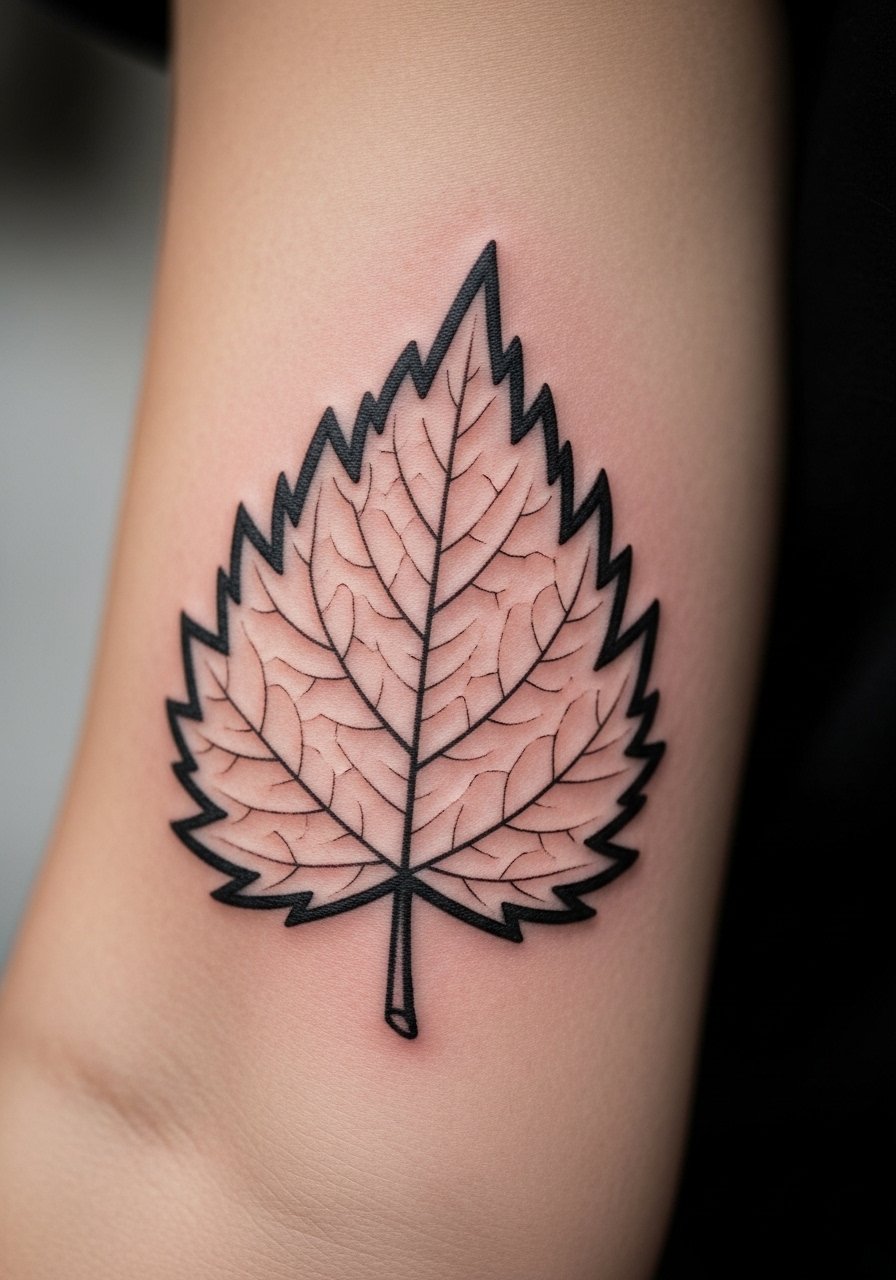
Negative space leaves breathe on the arm and let skin tone become part of the design. A common misstep is outlining too thickly and filling the negative area with black, which defeats the airy goal. During consultation ask for crisp outer linework and a deliberate interior gap so the leaf reads like a silhouette at a distance. For casual wear this pairs with a neutral cardigan women and a fitted tank, which keeps the arm framed without distracting patterns.
8. Fine Line Semicolon on Inner Forearm
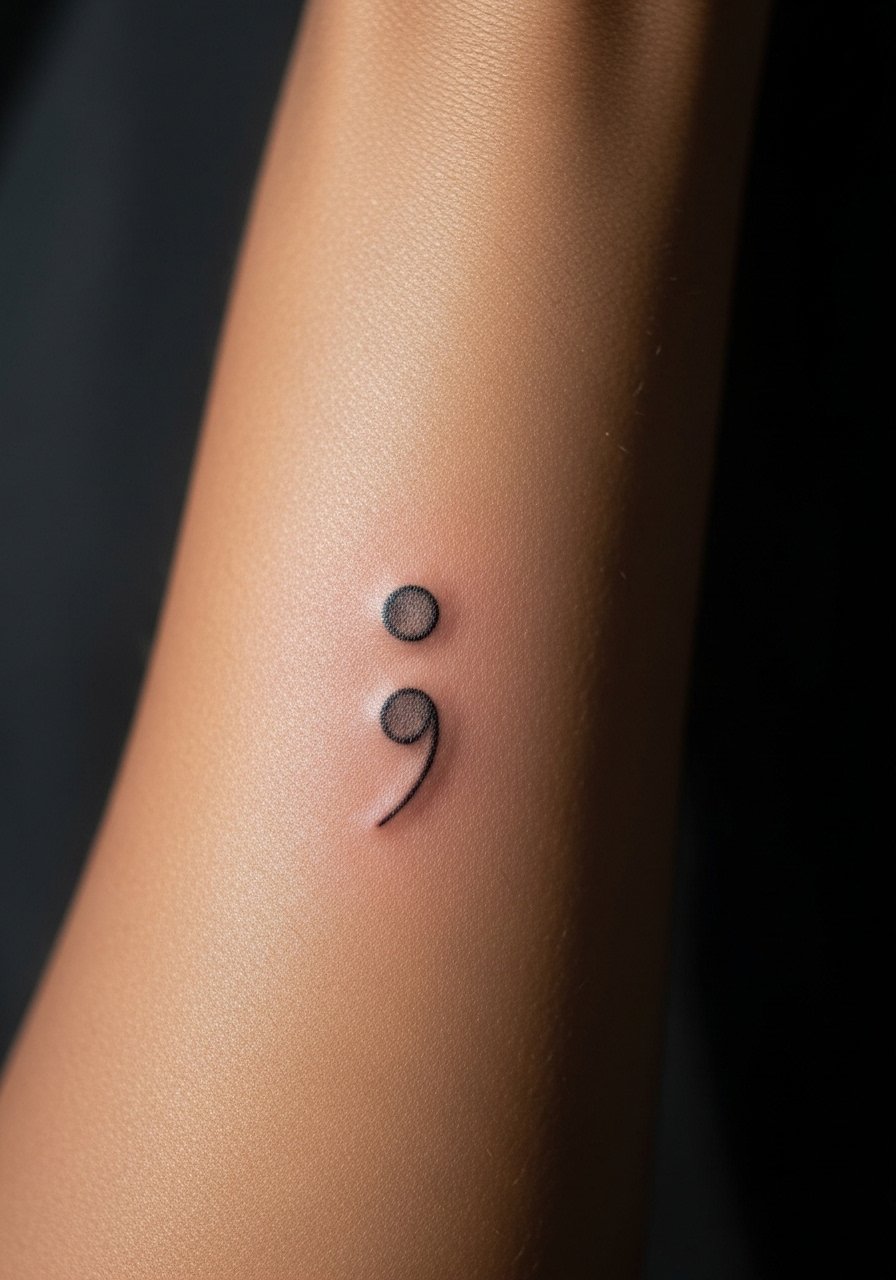
This compact mark is common for advocacy and personal significance. Two debates tend to come up that you should know. One camp supports numbing creams to ease the inner arm session, saying it reduces anxiety and makes the lines cleaner. The other camp argues numbing can mask feedback and lead to depth issues. Ask your artist how they handle numbing and whether they want you to test a product before the appointment. For someone who wants it visible but subtle, plan a readable dot and a slightly sturdier line to avoid early fading.
9. Minimalist Constellation Map on Forearm
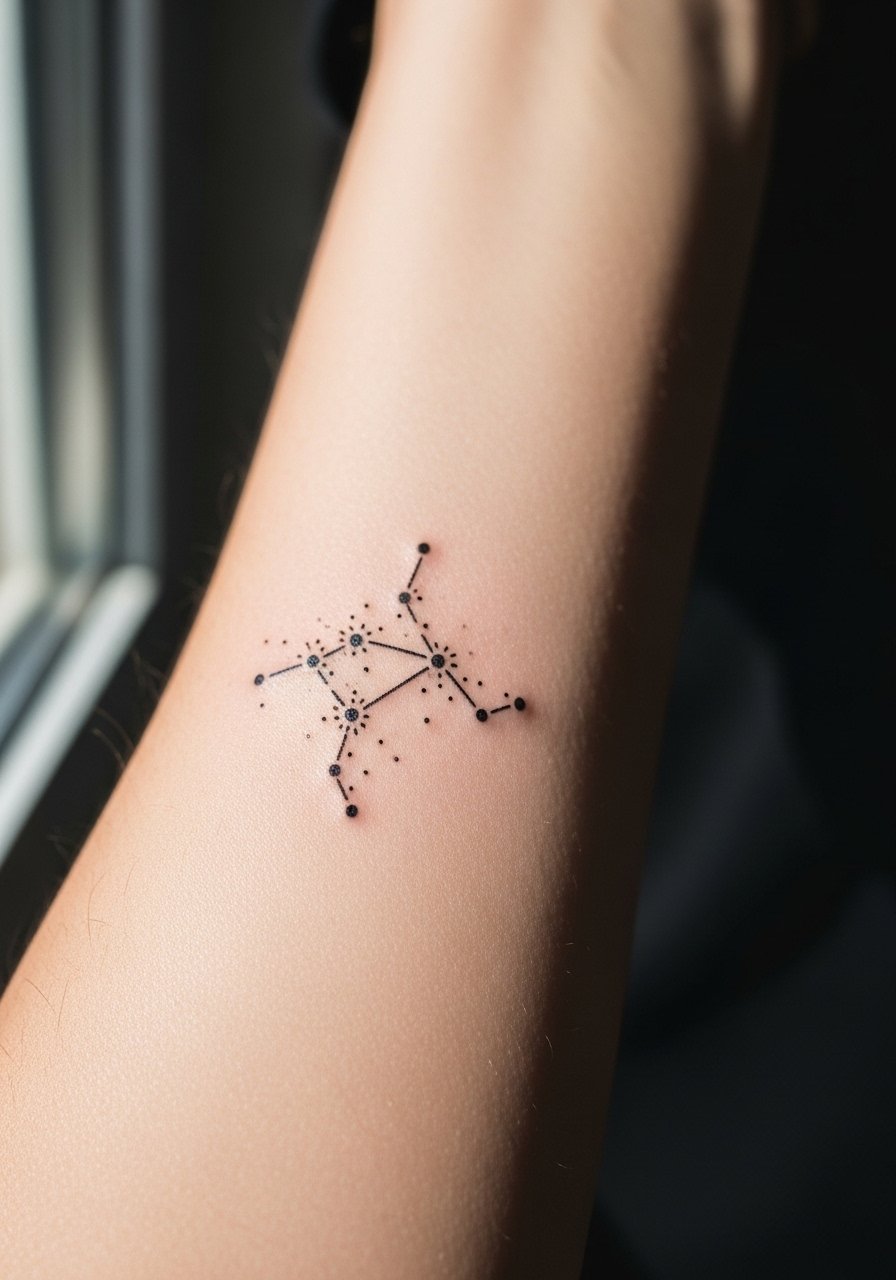
Constellation maps let you personalize a cluster without heavy shading, but dense dot clusters are the age-fade risk. I tell people to choose a simplified star map and ask the artist to over-emphasize connector lines slightly so the pattern keeps definition at two years. For session comfort wear a fitted tank top so the artist can reach the full forearm. Expect a short session with light dot work that can be completed in one sitting.
10. Single Stroke Bird in Flight on Wrist
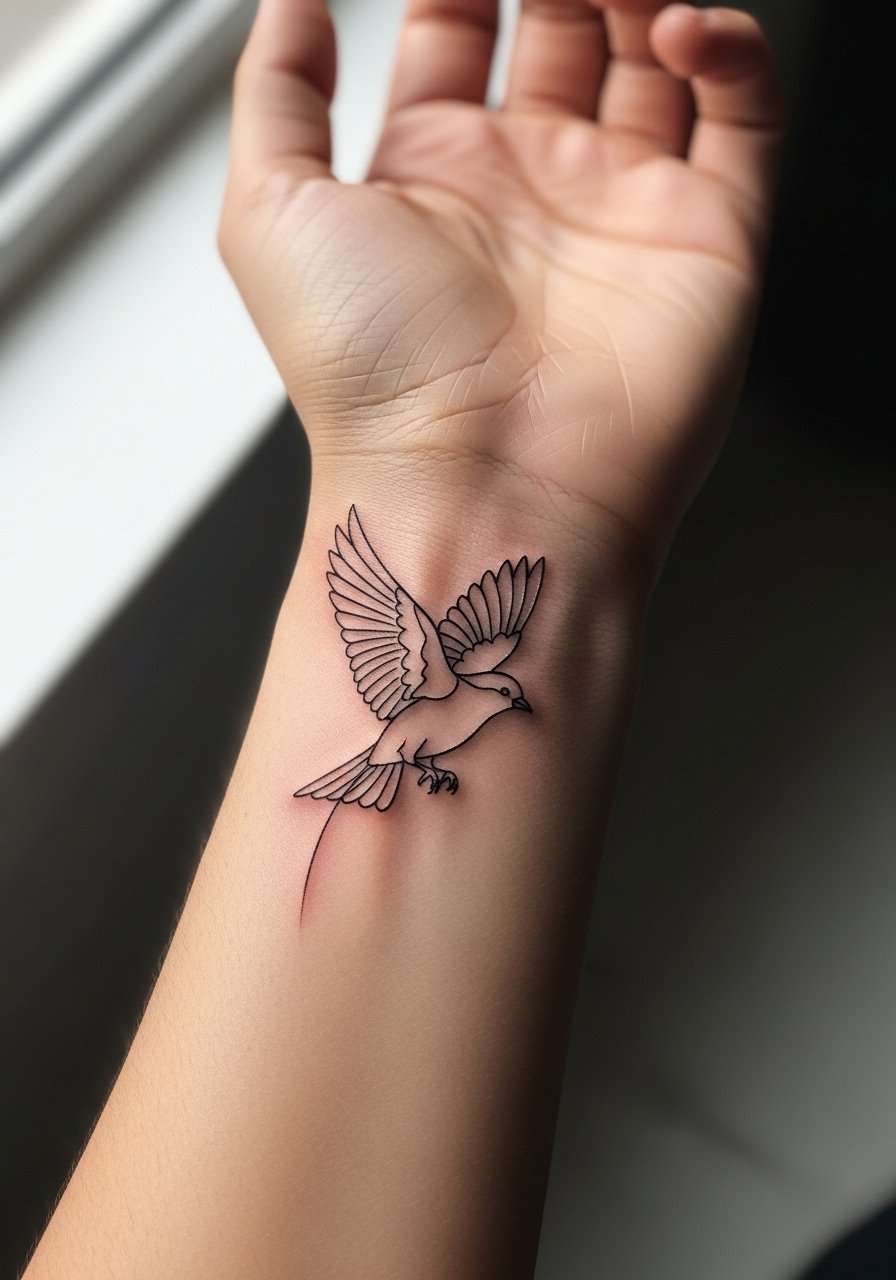
This tiny line-art bird reads as motion even at small scale. People often ask for ultra-thin strokes that vanish with time. Request a single confident stroke but with a slightly denser finish at the wingtip so the silhouette stays legible after the first heal. During the appointment avoid jewelry and bring a top with a sleeve you can roll, or wear a racerback tank for full wrist access. Healing is fast but keep the area free from friction.
11. Geometric Triangle with Dot Center on Inner Arm
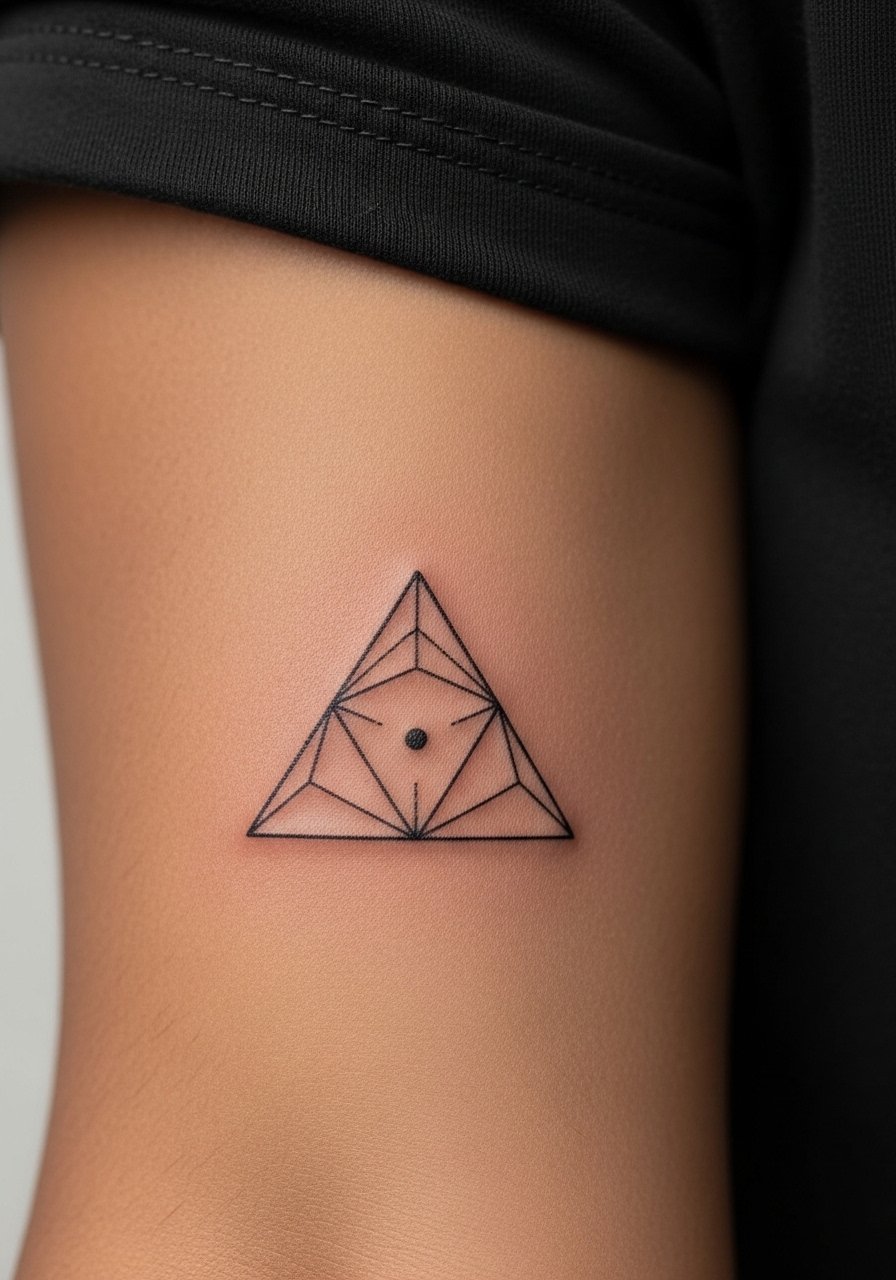
Geometric shapes need breathing room. The biggest mistake is shrinking the triangle until edges bleed together. Tell your artist you want crisp corners and a centered dot scaled to the triangle size. Geometric pieces can age well if lines are bold enough to resist blur over time. For evenings try a silver thin cuff bracelet on the opposite arm to balance the minimal geometry with subtle metal. This is a one-session layout that is straightforward to touch up later if needed.
12. Delicate Vine Branch Wrapping Forearm
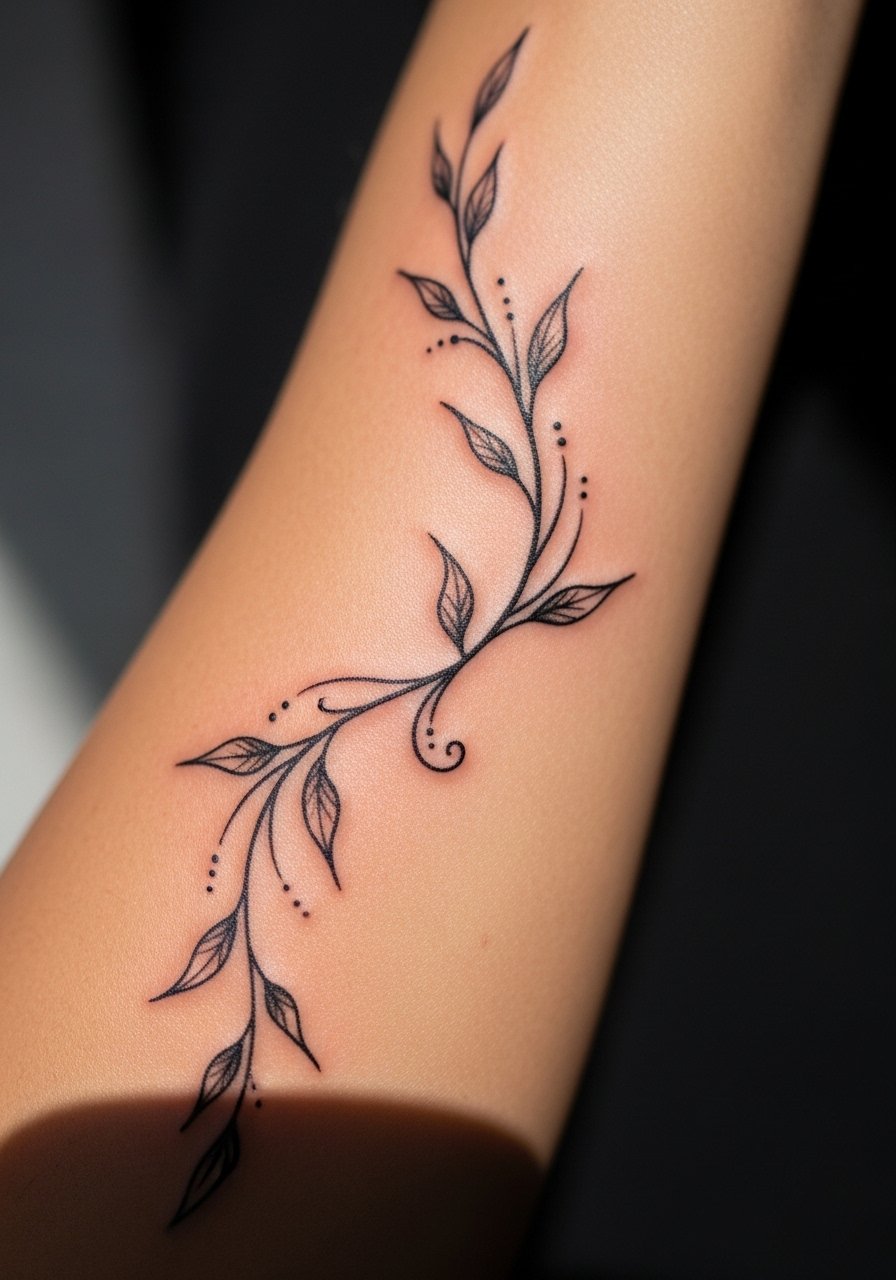
Full-length vine wraps look lush but the common error is crowding the linework into too small a width. For longevity ask for slightly wider stems and spaced leaves. There is also a healing debate about protective film versus dry healing for wrap pieces. One group favors protective film to prevent friction while the tattoo seals. The other group says dry healing forms scabs that help keep line clarity. Ask your artist which method they prefer for long wraps and follow their instructions. A loose linen shirt rolled to the elbow helps during the first week.
13. Minimalist Mountain Range Along Forearm
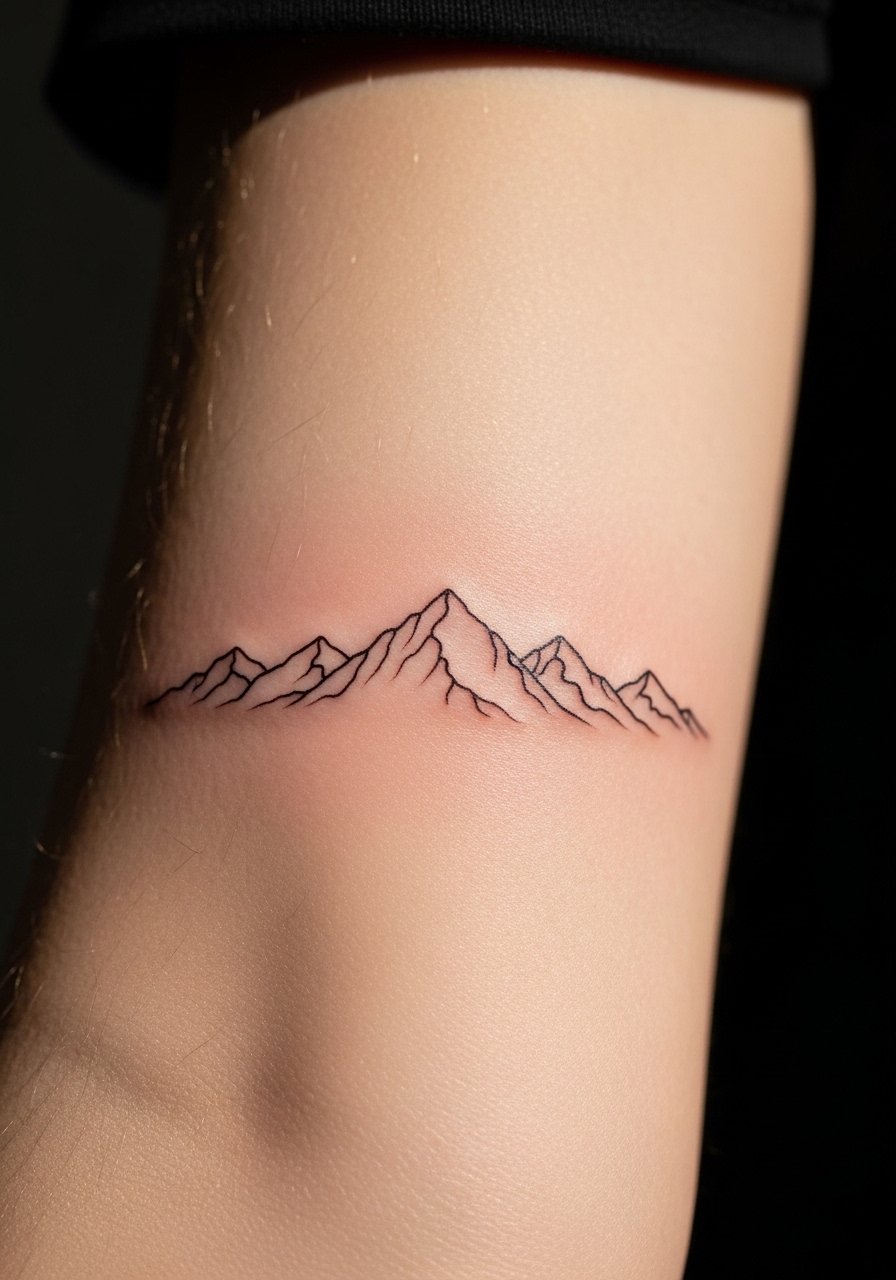
Mountains are a great place to use horizontal movement across the arm. A design that is too jagged at small scale can blur, so pick a simplified silhouette with one or two peaks at readable scale. Ask for a clear horizon line and ask the artist to avoid tiny texture marks that merge with time. For session day wear a neutral cardigan women you can pull aside, and be prepared for a calm, steady session along the outer forearm.
14. Tiny Script Word Along Inner Forearm
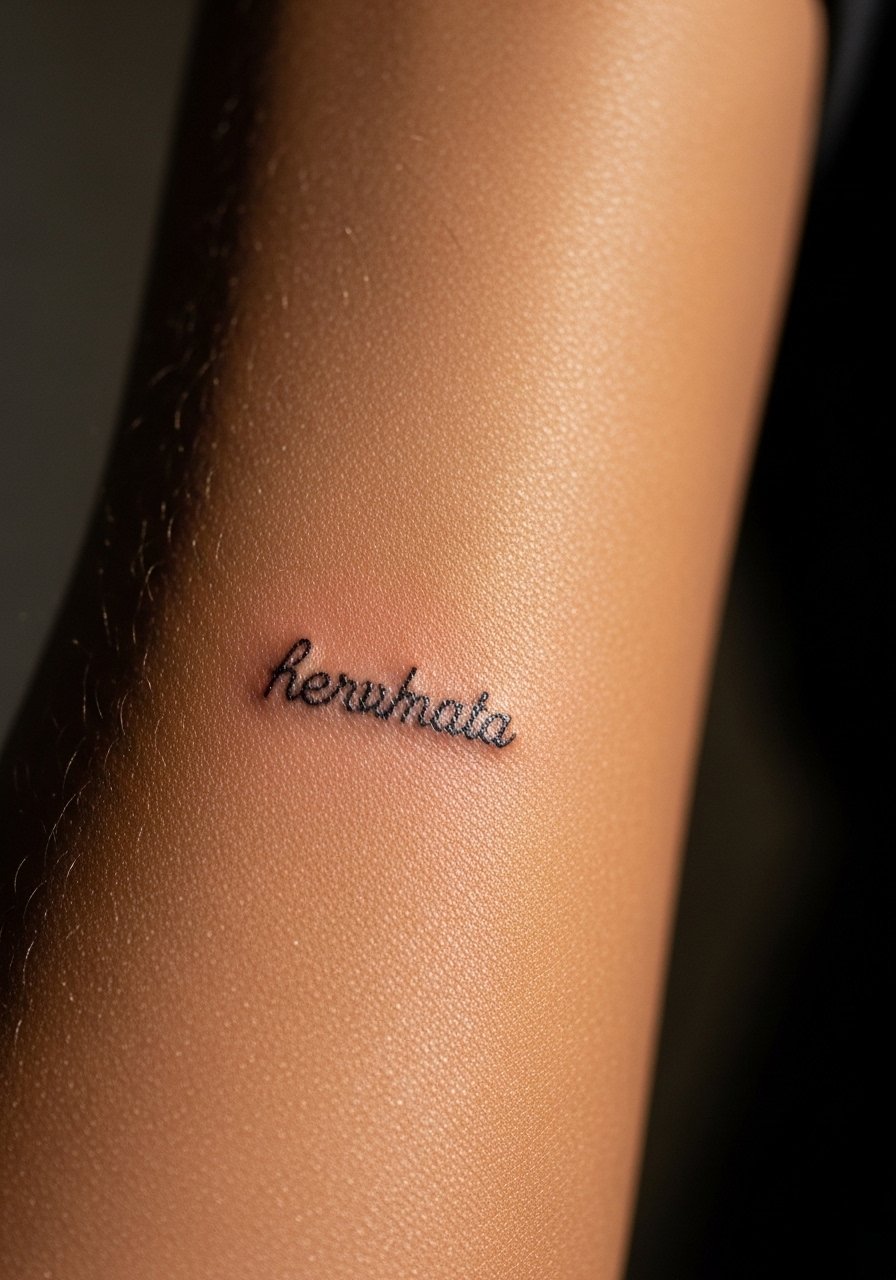
Script is elegant but scales badly if the letters are compressed. The mistake I see is picking a font that looks great on the phone but loses its counters after healing. During consultation show several references and ask the artist to write the word at a slightly larger size so loops and tails remain distinct. For showing it off under rolled sleeves try a rolled cuff blouse women or a short sleeve knit. Touch-ups at one to two years are common for tiny script.
15. Micro Anchor on Lower Forearm
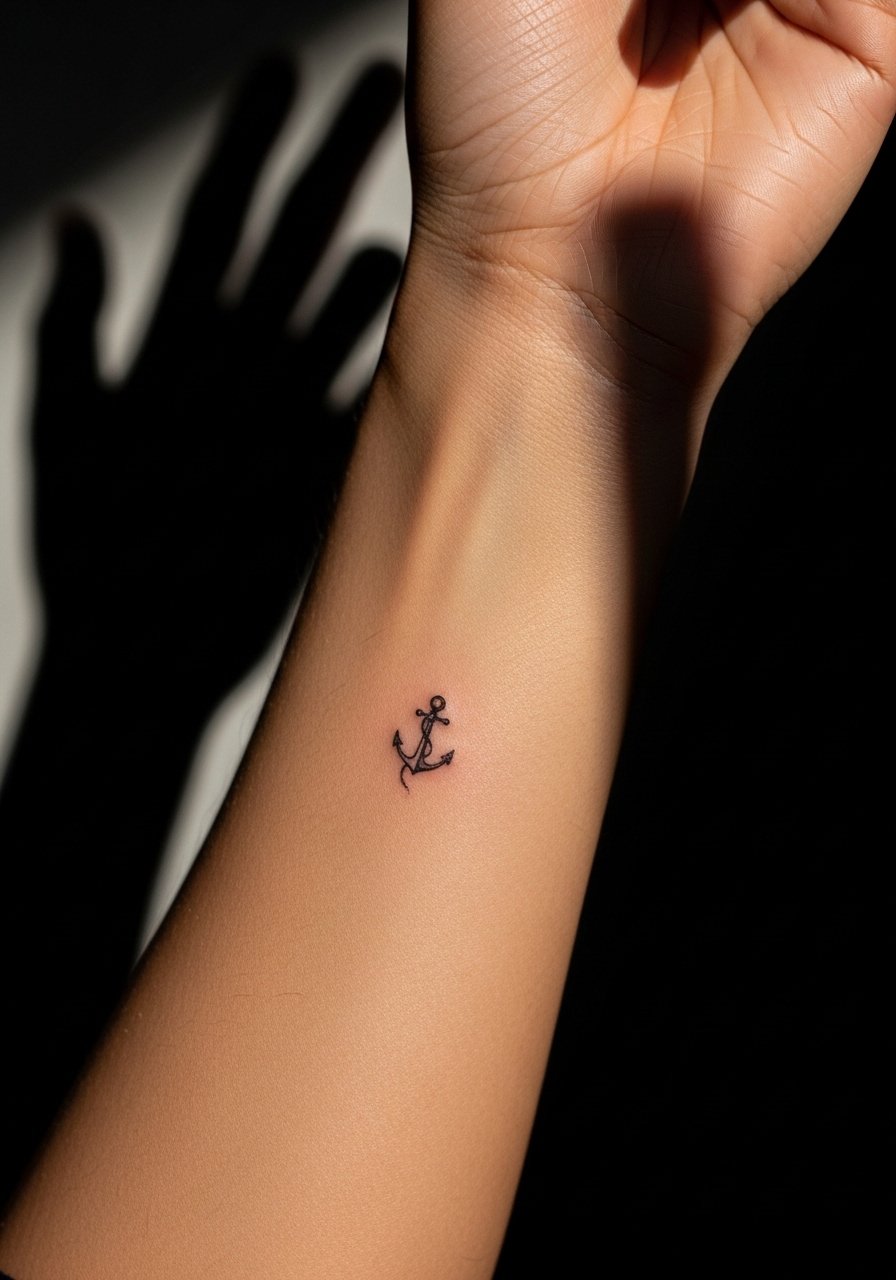
A subtle nautical anchor is compact and sturdy in design, which helps longevity. The usual issue is asking for too many tiny interior details. Keep the silhouette solid and readable, and request a darker fill so the anchor reads against different skin tones. For the session skip bracelets and wear a fitted tank top for access. Expect a short needle time and low recovery complexity.
16. Tiny Zodiac Glyph Cluster
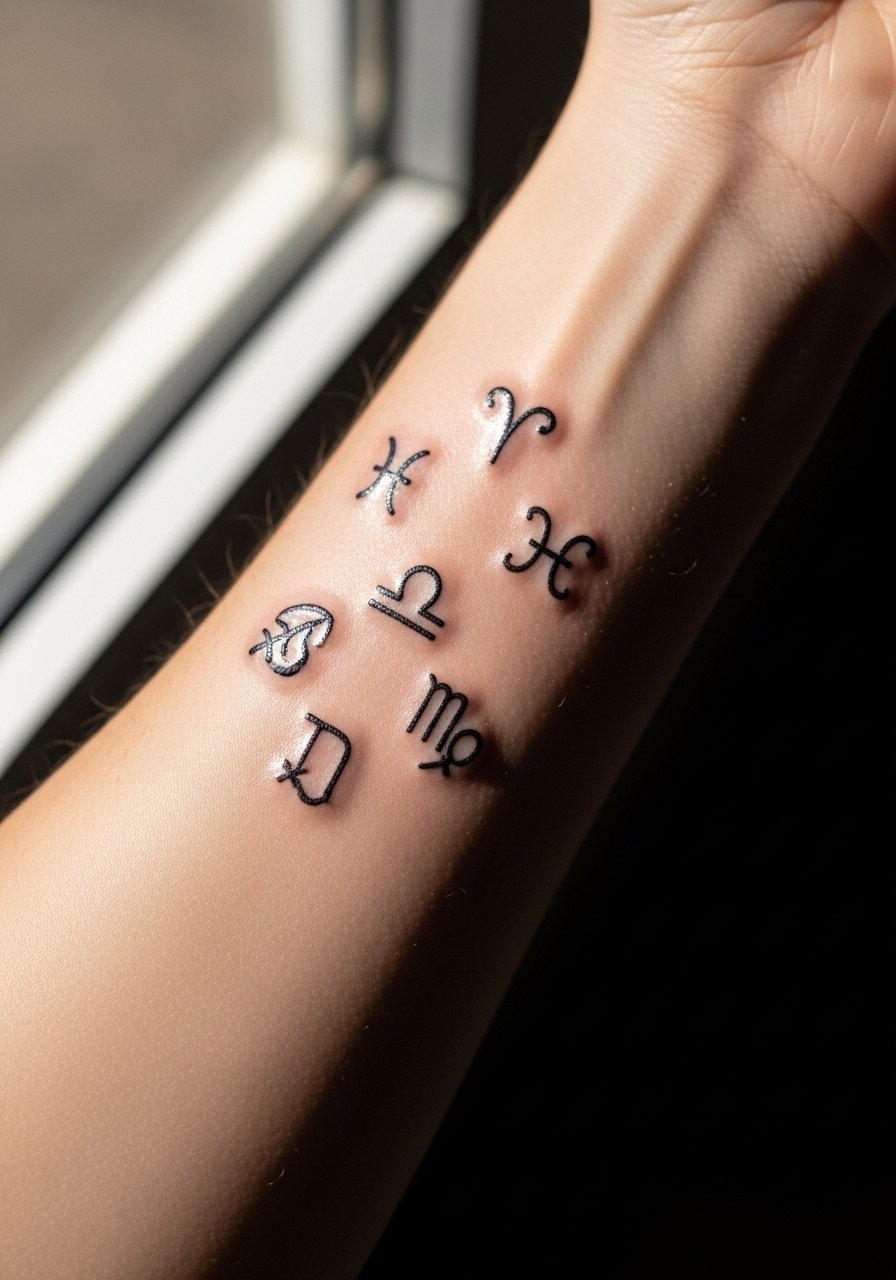
A small constellation of glyphs lets you personalize an arc of symbols without heavy shading. A common mistake is putting glyphs too close together. Ask the artist to space glyphs so each symbol reads separately at arm distance. For a balanced look pair the cluster with minimal rings or a minimalist ring set that does not compete with the forearm. Touch-ups may be needed at year two if any glyphs soften.
17. Minimalist Arrow Band Around Wrist
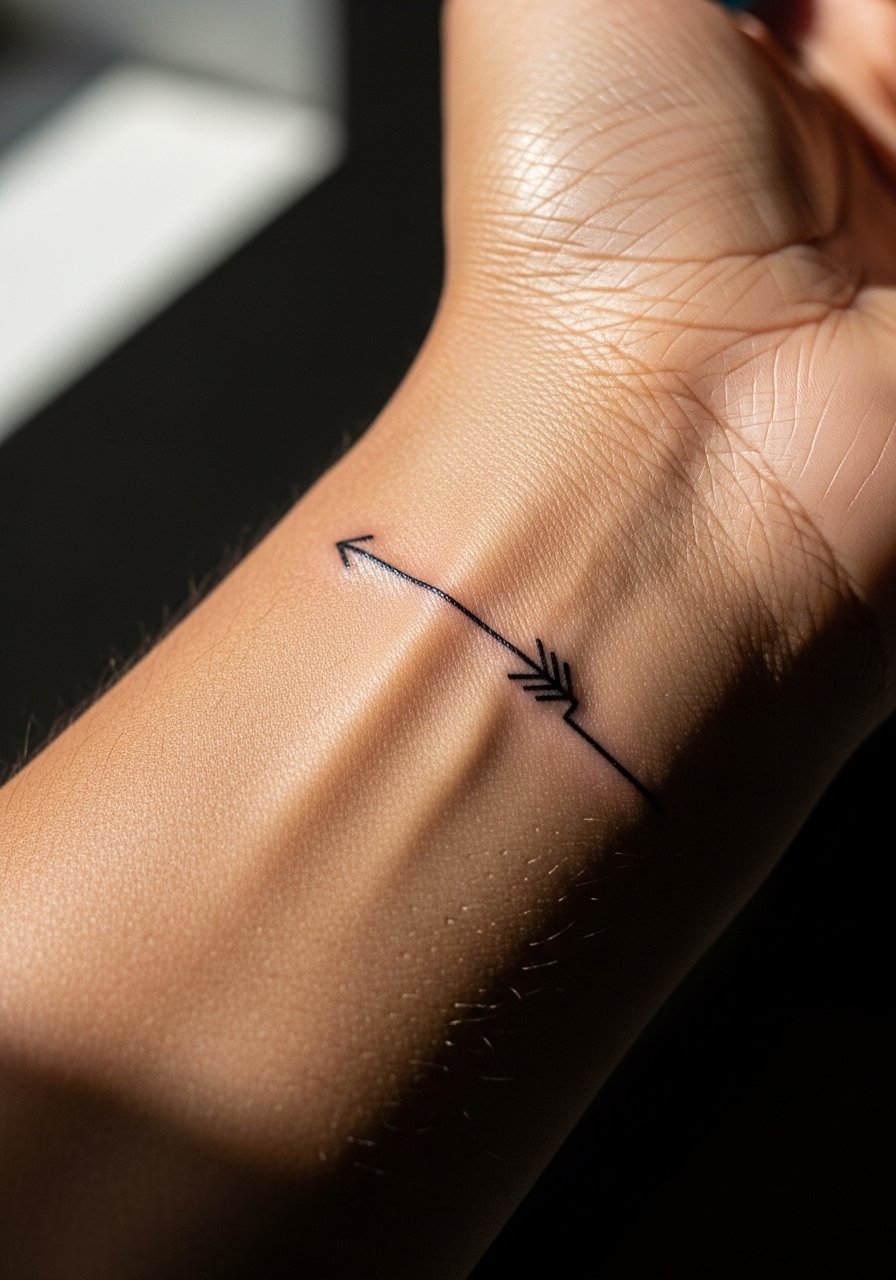
A banded arrow wraps the wrist and works as a subtle bracelet replacement. The risk is too-tight wrapping that wears faster from washing and bracelets. Request a break in the band over the wrist bone so the design does not sit where friction is highest. For showing it off consider a complementary cuff bracelet leather on the opposite wrist so the ink is framed without crowding. Expect a quick session with minor sting around the bone.
18. Whip-Shaded Crescent on Outer Forearm
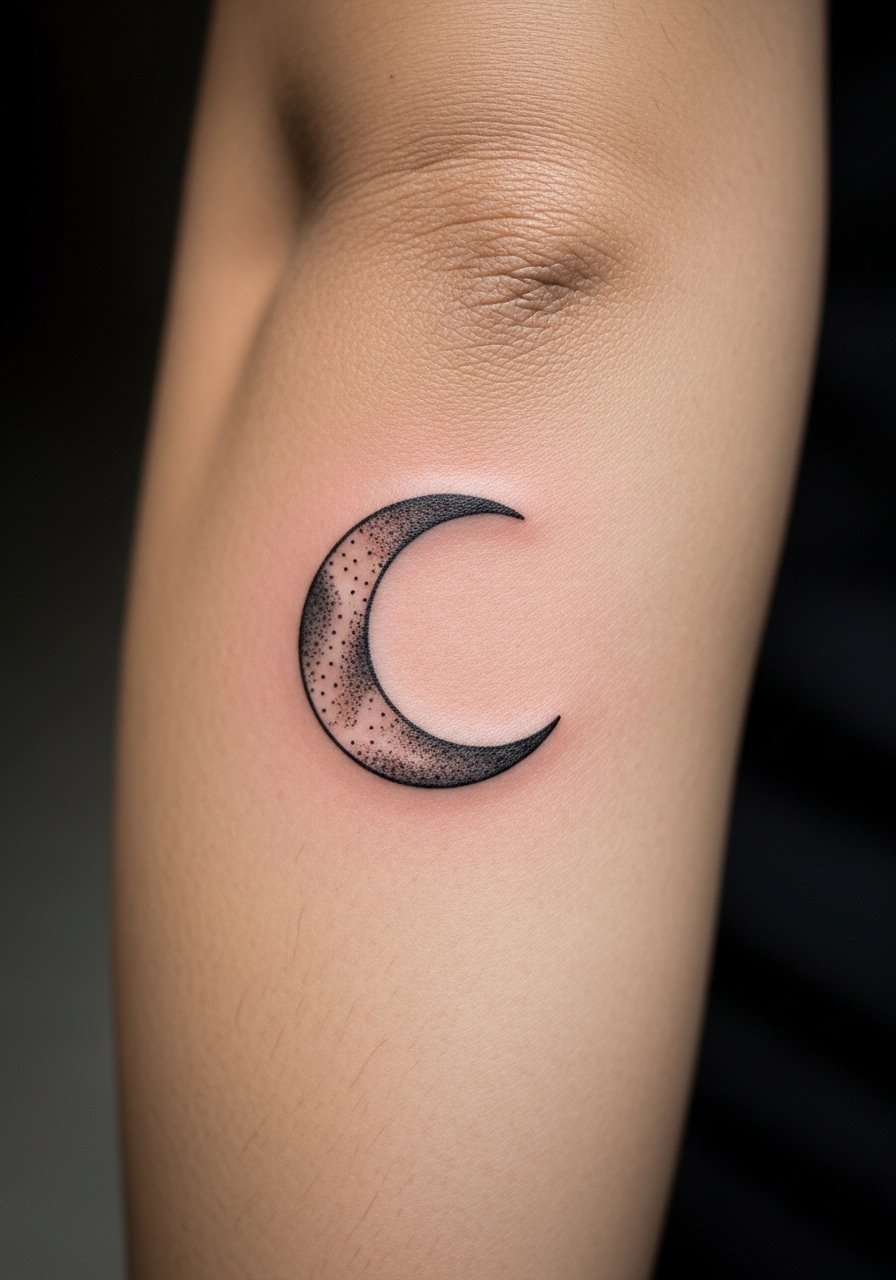
Using whip shading gives a soft edge without heavy saturation, but overdoing it makes the crescent look like a fuzzy smudge later. Ask the artist for restrained shading that preserves a crisp silhouette. This technique looks striking when paired with neutral knitwear rolled to the elbow. The session feels like light dragging rather than deep filling, and a touch-up at two to three years may be recommended for maintenance.
19. Minimalist Line Portrait Silhouette
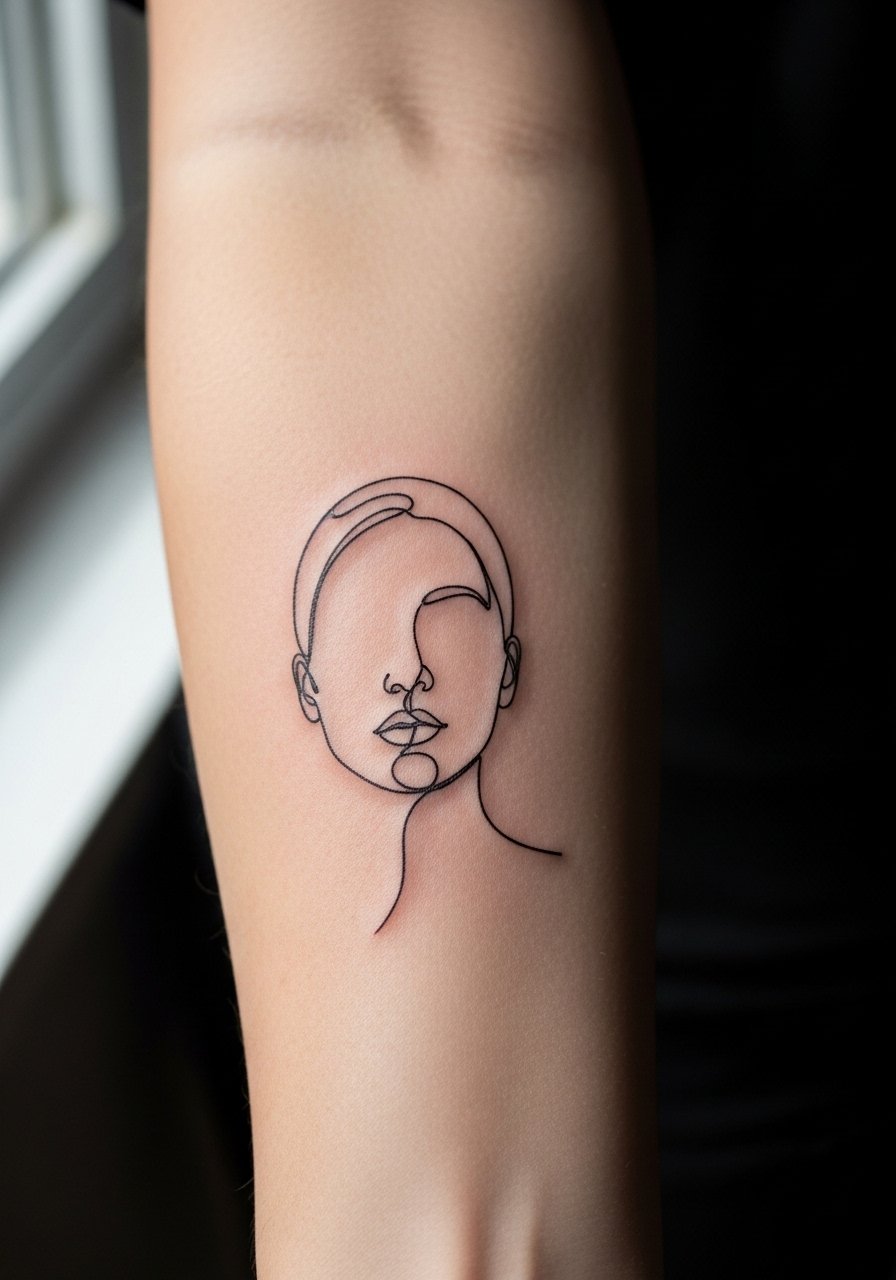
Single-line portraits can be elegant if the features are simplified. The mistake is forcing too much facial detail into a very small area. Ask for a stylized outline that captures the head tilt or hairline rather than facial micro-detail. For a soft contrast try pairing with a loose linen blouse when you want the art to show casually. Session time varies by the size of the silhouette, but smaller ones finish in one appointment.
20. Tiny Stack of Coordinates on Inner Forearm
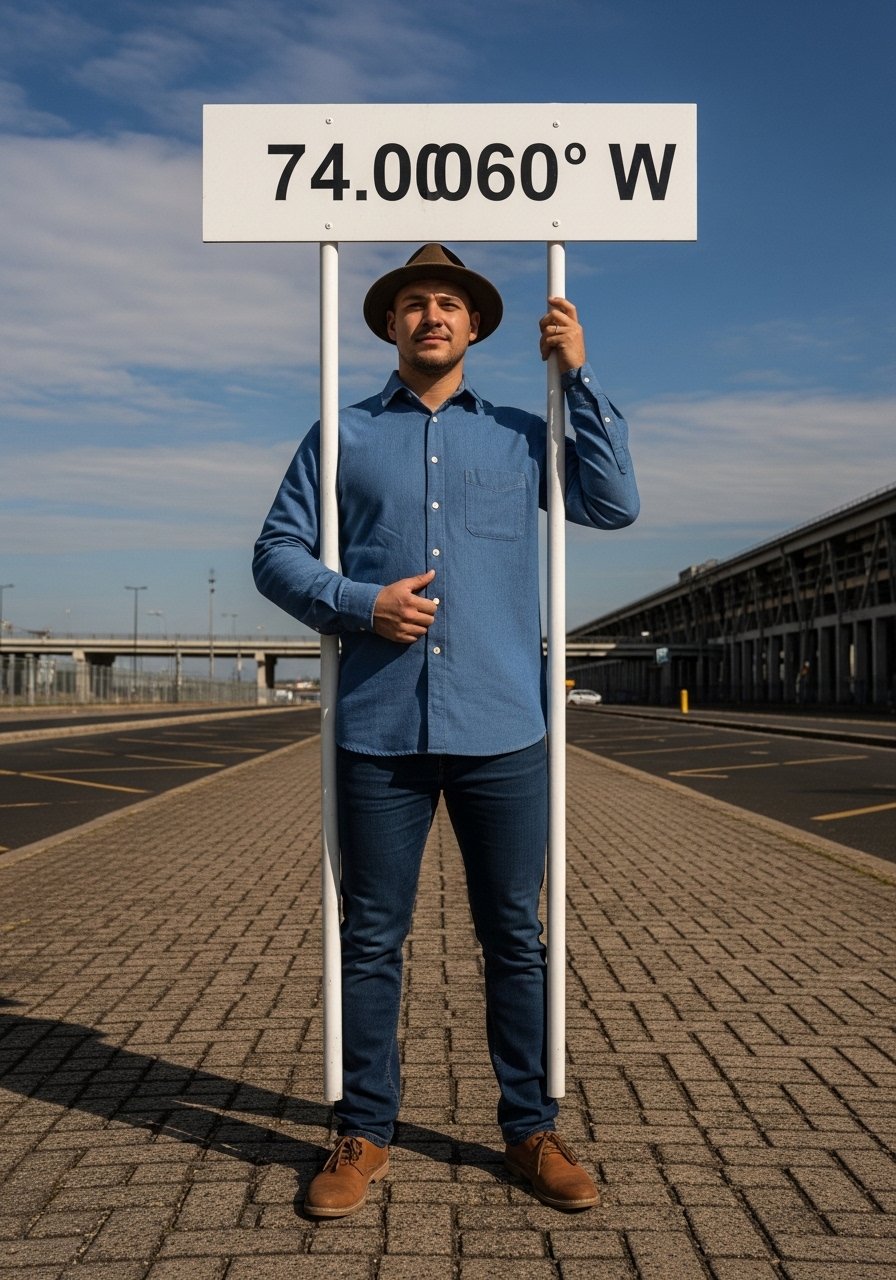
Coordinates feel specific and private, but tiny numbers can blur into lines. Make sure the artist uses a clean, legible typeface and spaces digits to read after healing. If you want them discreet, choose fewer digits or a shortened decimal to preserve clarity. For the appointment wear a cotton button up shirt you can roll so the inner forearm is accessible. Expect a short session and the possibility of a tiny touch-up if any numerals soften.
21. Dotwork Sunburst on Forearm
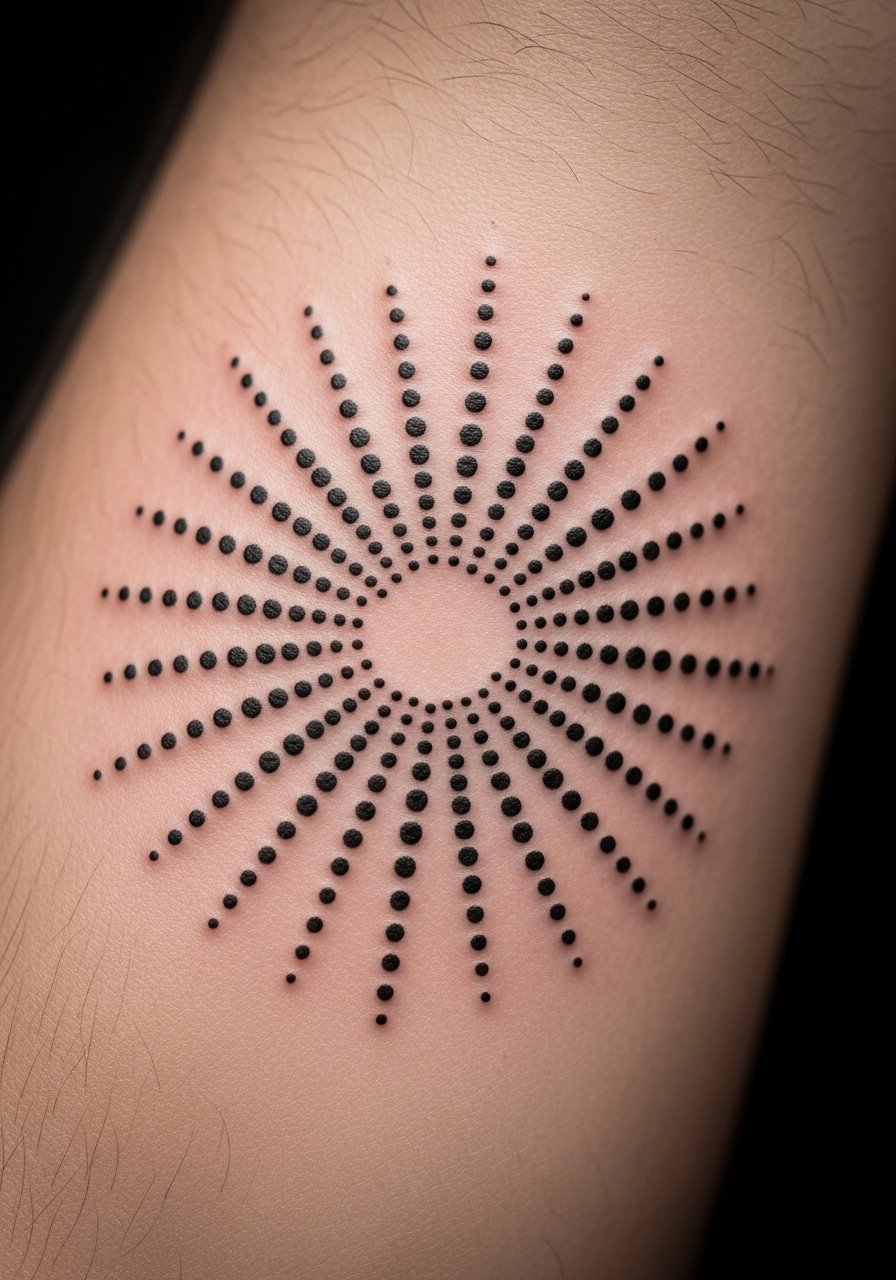
A sunburst built from dots offers strong geometry without heavy lines, but dot density matters for aging. I tell people to keep rays spaced and let the center breathe so dots do not merge into a gray blob in a few years. Ask your artist to use slightly bolder anchor dots at the ends so the pattern reads from a distance. For a casual outfit pair with a loose linen blouse that you can roll up, and expect dot work to take a bit longer than a single thin line.
Frequently Asked Questions
Q: How much does a minimalist forearm tattoo typically cost and how should I budget?
A: Prices vary by city and artist, but expect a range that depends on size and complexity. For small single-session pieces plan for a modest budget that covers a careful fine line artist and a potential touch-up at year one or two. If a design needs two sessions for spacing or dot work, add a bit more for that follow-up.
Q: Will fine line forearm tattoos blur if I type a lot or wear sleeves at work?
A: Frequent wrist and forearm friction, like typing and sleeve rubbing, does accelerate softening for very fine work. A slightly stronger baseline line weight and good spacing help. Choosing inner forearm placement when you want easier coverage also reduces visible friction from work clothing.
Q: How do I find minimalist artists who do clean small pieces without rushing?
A: Look for portfolios with multiple healed photos of small pieces, not just fresh work. Use hashtags like #MinimalistForearmTattoo and #FineLineWomen to find style matches and check appointment booking platforms for studio bios. Message respectfully and ask about healed pictures of pieces similar in size to yours.
Q: Are there special aftercare needs for forearm dot work or wrap designs?
A: The core is the same: keep it clean, avoid heavy friction, and follow the studio's guidance on covering versus dry healing. For wrap designs avoid tight sleeves for the first week and opt for breathable fabrics like linen. If you need supplies for the first days, the Studio Day Picks above cover common needs.
Q: Do minimalist lines show differently on darker skin tones and what should I ask my artist?
A: On deeper tones very thin lines can heal lighter in appearance. Ask for a slightly bolder line weight or subtle, shallow shading to increase contrast while keeping the minimalist look. Request to see healed examples on similar skin tones during consultation.
Q: Should I use numbing cream for a first inner forearm piece or skip it?
A: Artists and clients are split. Some recommend numbing to reduce pain and help the person stay relaxed. Others avoid it because it can change skin feedback and depth perception. Ask your artist whether they accept numbing and whether they want you to test a small area before the session.